

Testing iPhone apps is a crucial step in the software development process. This is relatively easy if you’re using Xcode or Apple’s DevKit for iOS. But app testing can be challenging if you don’t have access to an iPhone, iPad, or macOS.
Fortunately, using a simulator to run iOS apps makes it possible to test your app developments on a Windows operating system.
This in-depth guide breaks down the best iOS app simulators on the market today. We’ll cover the top features, benefits, pricing, and other considerations so you can find the best tool for your unique situation.
Key Takeaways
- Simulators vs. Emulators: Understand the difference to choose the right tool for your needs.
- Top Choices: Discover the best iOS simulators available for Windows users.
- Features and Pricing: Evaluate simulators based on their features and pricing to find the best fit.
- Multi-Platform Support: Some simulators also support Android, offering more versatility.
- Budget Considerations: Higher-priced simulators may offer better features and support.
Before we get started, I just want to quickly clarify the difference between simulators and emulators. These terms are often used interchangeably, but they are not the same thing.
Simulators create an environment that imitates the configurations and behavior of an actual iOS device. Emulators duplicate the software features and hardware of the device in question.
The reviews in this guide will mainly focus on iOS simulators. But some of the tools listed below double as iOS emulators and Android emulators as well. So if you’re looking for a solution that checks multiple boxes, this guide has you covered.
Best iOS Simulators for Windows
- Appetize
- iPadian
- Smartface
- AIR iPhone
- Remoted iOS Simulator for Windows PC
Criteria: How We Chose the Best iOS Simulators
There are dozens of different iOS simulators available on the market today. With that said, not all of them are actually viable options for testing iOS applications.
The five iOS simulators below have been graded based on pricing, features, and functionality.
As previously mentioned, some of them double as emulators for Android devices—making them ideal for those of you who need simulations beyond iOS development.
Unless you’re on a really tight budget, you shouldn’t let pricing alone be the sole factor in your decision. Sometimes paying a little extra will deliver a better experience, which can ultimately translate into a higher quality app. You’ll also want to consider which operating systems the simulators support (Windows 10, Windows 11, etc.).
Let’s dive into the reviews.
1. Appetize
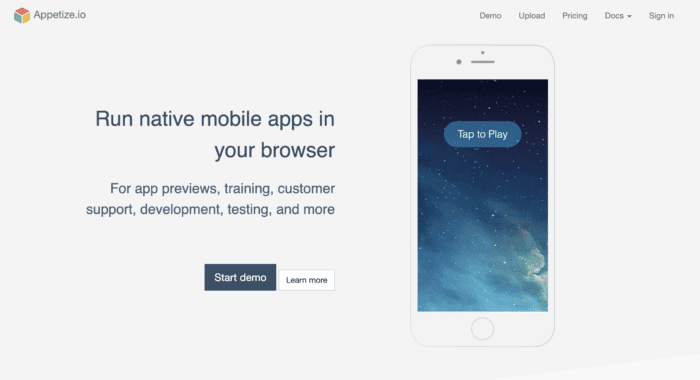
Appetize.io is a web-based iOS simulator and Android emulator that was founded in 2015. For the past seven years, it’s been trusted by hundreds of brands, including Shopify, Intuit, DoorDash, The Washington Post, Ulta Beauty, and more.
What makes Appetize great is its simplicity and versatility. You can use it for training purposes, development, testing, support, and more.
As a web-based tool, you don’t need to download anything to test your iOS app. Just upload the app directly through the website or use the Appetize API for an enhanced workflow with your IDE. Many developers consider it the best emulator and simulator.
Features and Benefits
- User-friendly tool
- Works well for each phase of iOS app development
- Automated testing features
- Stream your app instantly
- Run your app in any browser using HTML with an iFrame
- Supports both iOS and Android
- View remote devices to diagnose problems
- Supports enterprise deployments with SSO, customizations, enterprise-level SLAs
Pricing
There are three different packages to choose from:
Basic — $40 per month
- 20 concurrent sessions
- Standard capacity
- $0.05 per minute rate
- 500 minutes included
Premium — $400 per month
- Unlimited concurrent sessions
- Reserved devices
- $0.05 per minute rate
- 2,000 minutes included
- White label capabilities
Enterprise — $2,000 per month
- Dedicated devices
- Unlimited usage
- White label capabilities
- SSO
- Custom legal agreements
- 24/7 enterprise-grade support
Appetize also offers a free trial package that supports one concurrent session and up to 100 minutes per month.
2. iPadian
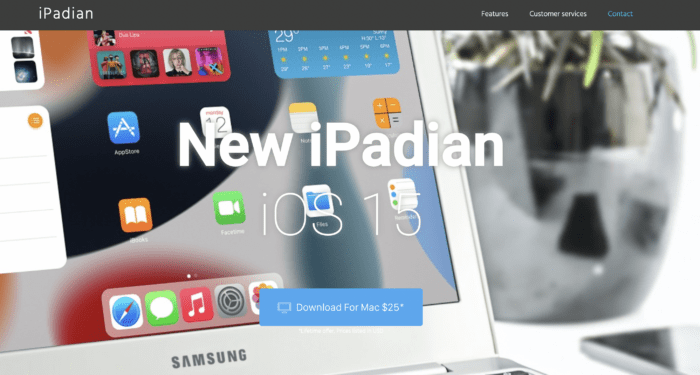
Unlike other tools on this list, iPadian is strictly an iOS simulator—not an emulator. So if you’re seeking a tool that does both, you can skip over the section and move on.
That said, iPadian is one of the most popular iOS simulators on the market today. It’s been downloaded more than ten million times and has over one million daily active users.
As a simulator, iPadian mimics the mobile app experience of a real device. This allows you to feel the difference between your iOS app and Android app from a PC or Windows device.
Since iPadian is made strictly for simulations, it does have some limitations. The tool doesn’t create a local version of iOS on your device, and it cannot access the Apple App Store. iPadian doesn’t support iMessaging either.
Features and Benefits
- Ability to run apps including Facebook, Tiktok, Whatsapp, Instagram, and more
- Imitates the appearance, design, and basic features of iOS devices
- Simple and easy to use
- Beginner-friendly
- Affordable
Pricing
iPadian offers one of the best deals for iOS simulation. Just pay a one-time fee of $25 for lifetime access to the tool.
This is a really good price for Windows users who want to have an iOS experience without having to pay for an actual iPad or iPhone. There’s also a free version that works for iOS 10 if you want to try it out before spending the $25.
3. Smartface
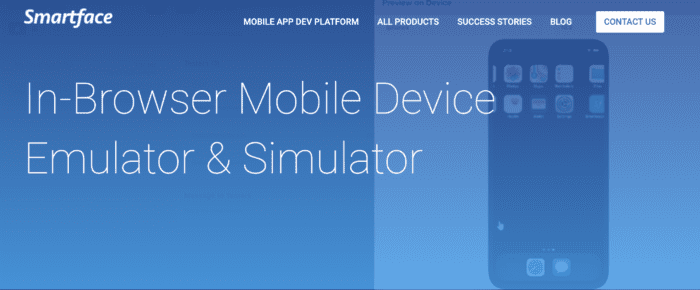
Smartface is an emulator and simulator that works for both iOS and Android apps. You can run these apps in your browser without downloading any software or purchasing any additional hardware.
Unlike other iOS simulators and emulators, Smartface supports a wide range of operating systems, devices, and OS versions. Beyond Windows machines, you can run Smartface on Linux, ChromeOS, and macOS as well.
There is a slight catch. Even though this is a browser-based iOS simulator, you can’t just sign up and start using it right away. Smartface requires you to request a demo first, which can be a bit of a pain if you’re trying to do so quickly.
Frequently Asked Questions
What is the difference between an iOS simulator and an emulator?
An iOS simulator mimics the software environment of an iOS device, while an emulator replicates both the software and hardware.
Is there a free iOS simulator for Windows?
Yes, Appetize offers a free trial package that supports one concurrent session and up to 100 minutes per month, which is ideal for initial testing phases.
Can I use iOS simulators for Android app testing?
Some iOS simulators, like Smartface, also support Android app testing, providing a versatile solution for developers working on multiple platforms.