

Key Takeaways
- Blueprint Importance: Achieving goals requires the right strategy, not just effort.
- Learning from Others: Leveraging others’ experiences and resources can guide you to success.
- SMART Objectives: Implementing SMART objectives aligns your team with your goals.
- Goal vs. Objective: Clearly distinguish between goals (outcomes) and objectives (steps).
- Specific Goals: Avoid vague goals like “make more money”; focus on specific market leadership.
5 Tips and Best Practices to Achieve Your Business Goals
As previously mentioned, I went through a ton of trial and error when it came to achieving my goals. I can finally say that I’ve discovered a proven method for success. I’ve broken down my methodology into five simple steps that you can follow to have success and achieve your goals as well. Goal setting is crucial for startups, small businesses, large organizations, and everything in between. The goal-setting process is more than just writing a business plan. Here’s what you need to do:#1 — Clearly Identify Your Goals and Objectives
This is a common mistake that I see on a daily basis. The first thing you need to do is identify your goals and objectives—remove any confusion between the two. Goals are the outcomes that you want. Objectives are the steps you must take to achieve those outcomes.| Aspect | Goals | Objectives |
|---|---|---|
| Definition | Outcomes you want | Steps to achieve outcomes |
| Example | Become the number one choice for customers | Increase brand trust, provide 24-hour support |
 Sinek wrote a book titled “Start With Why,” and he does an excellent job explaining that concept during this video. The book is also worth reading, but the video is a faster way to grasp this idea.
Do yourself a favor and actually watch it to fully understand what he’s saying here. It’s a beautiful resource for understanding the soul of your company and why your company exists. I really learned a ton of useful information from this, and it inspired me to take the proper steps to achieve success.
Let’s get back to the example I used earlier about becoming the number one choice for your customer satisfaction in a specific market sector.
What steps do you need to take in order to achieve this strategic goal? Those will be your objectives. Examples could include:
Sinek wrote a book titled “Start With Why,” and he does an excellent job explaining that concept during this video. The book is also worth reading, but the video is a faster way to grasp this idea.
Do yourself a favor and actually watch it to fully understand what he’s saying here. It’s a beautiful resource for understanding the soul of your company and why your company exists. I really learned a ton of useful information from this, and it inspired me to take the proper steps to achieve success.
Let’s get back to the example I used earlier about becoming the number one choice for your customer satisfaction in a specific market sector.
What steps do you need to take in order to achieve this strategic goal? Those will be your objectives. Examples could include:
- Increase brand trust
- Provide 24 hour support to your customer base
- Reduce bug debt by 50%
#2 — Make Sure Your Objectives Are SMART
As I mentioned earlier, SMART objectives were defined in a book by Peter Drucker. SMART is an acronym that stands for: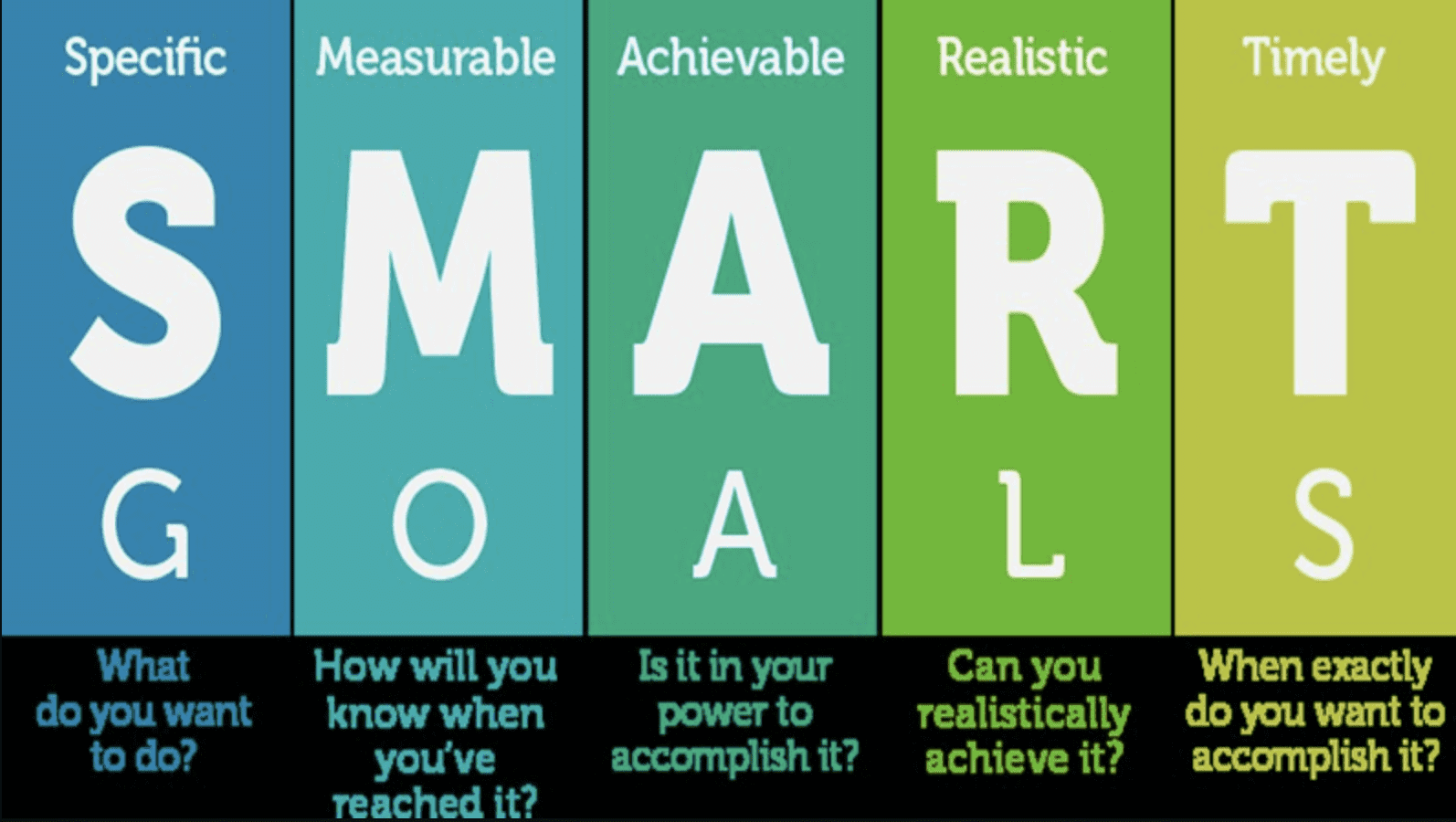
- Specific: Outline a clear statement that defines what is required.
- Measurable: A clear unit of measurement (preferably through numerical terms) that can identify progress and completion of the objective.
- Achievable: Objectives should be challenging yet achievable. You need to be happy with the outcome, but your team must be willing to commit.
- Realistic: Managers should focus on outcomes and let the team focus on the initiatives to achieve those outcomes.
- Timely: Set a specific date of achievement that must be agreed upon and met.
#3 — Identify Clear KPIs (Key Performance Indicators)
Let’s quickly recap. We’re going to focus ourselves on the objectives and let our team focus on the initiatives to achieve those objectives. To do this properly, we need to make sure that we have pre-defined measurements to track everything—preferably in numerical terms. This allows us to measure success and increase transparency, so we’ll know if we’re going to hit our goal or not. Better yet, we’ll know if we’re on track to hit our goals. Here’s what I mean. Let’s refer back to an objective that I used as an example earlier—reduce our bug log by 50%. For simplicity’s sake, let’s say we have 100 bugs. 50% of that is 50 bugs. We want to achieve this objective in one month. (I know I’m throwing out lots of numbers, but stay with me). If we get to the midway point of the month and only one-third of the bugs have been fixed, we immediately know that we’re not on track to finish on time. So this gives you the ability to track your progress and forecast whether or not you’ll hit those goals. You can always find ways to adjust accordingly to meet your deadlines and objectives. CHALLENGE: What was your previous goal? What has your new goal become? Why does your small business exist? How did you redefine your mission, vision, and goal from something like “I want to make more money” to “become a leader in my industry” based on what we’ve covered so far? I’m really interested in knowing how you made that change so we can all benefit from each other. So let me know in the comments section, and we can have a discussion.#4 — Give Your Team Ownership and Autonomy
If we’re going to delegate initiatives to our team, they need to make their own decisions to live and die by. Micromanaging is not effective, and sometimes, we as managers will get in their way. By increasing the level of autonomy with your staff, you’ll automatically increase their level of engagement.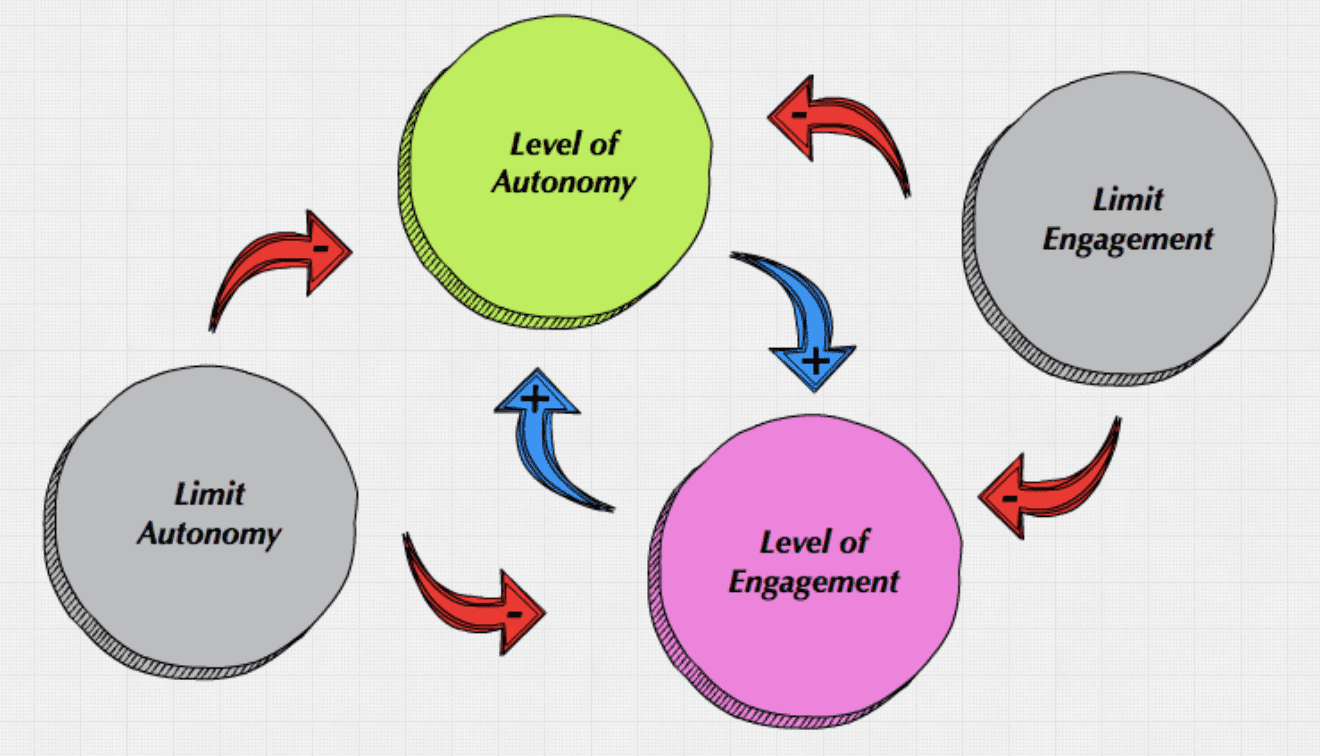 If you don’t empower your team, then you’ll restrict their potential and ultimately hinder the path to completing objectives.
In short, let everyone do their jobs the best way that they know how to. You must be able to trust your team if you want to scale your company and experience business growth.
Additionally, here’s another reason why you should avoid micromanagement. If things don’t go well, the excuse from your staff will always become, “I did what you told me to do.”
So make sure your team is autonomous and owns their initiatives. People can own multiple initiatives; that’s fine too. But they need to own something, and the success of their engagement will be tied directly to their level of ownership.
Trust your team to deliver.
If they don’t deliver, that’s another subject altogether. But give them the opportunity to succeed.
If you don’t empower your team, then you’ll restrict their potential and ultimately hinder the path to completing objectives.
In short, let everyone do their jobs the best way that they know how to. You must be able to trust your team if you want to scale your company and experience business growth.
Additionally, here’s another reason why you should avoid micromanagement. If things don’t go well, the excuse from your staff will always become, “I did what you told me to do.”
So make sure your team is autonomous and owns their initiatives. People can own multiple initiatives; that’s fine too. But they need to own something, and the success of their engagement will be tied directly to their level of ownership.
Trust your team to deliver.
If they don’t deliver, that’s another subject altogether. But give them the opportunity to succeed.
#5 — Keep Your Team Accountable
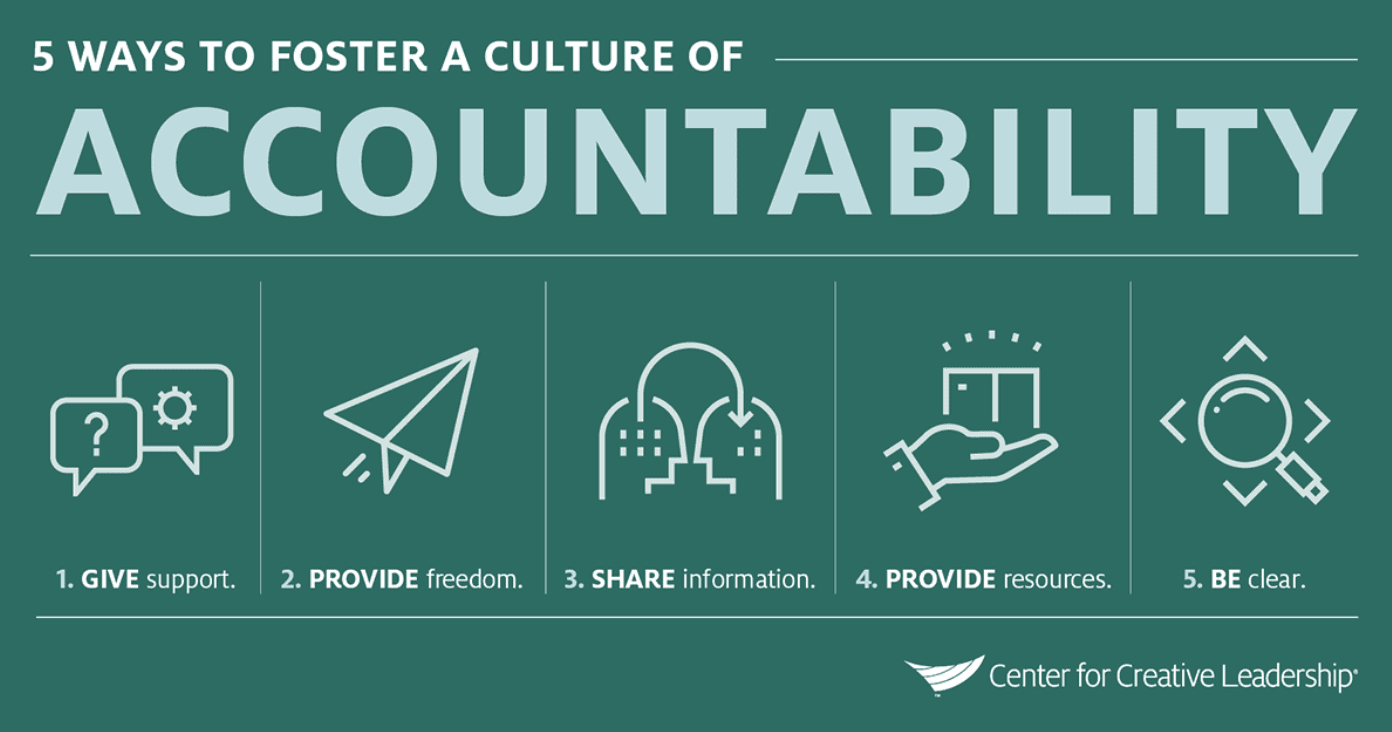
For this to work effectively, your team must be held accountable and responsible for their role in achieving objectives. Let’s rewind for a minute quickly. We’ve already identified a true goal and the objectives required to achieve that goal. Now we’ve assigned our team the clear KPIs for SMART objectives that they must use to focus on their own initiatives. So the final step is holding them accountable.| Approach | Outcome |
|---|---|
| Micromanagement | Staff may use the excuse “I did what you told me to do.” |
| Autonomy | Increases engagement and ownership of initiatives. |
 Holding a meeting with your stakeholders gives everyone an opportunity to report on their status and check in with their objectives. This will be the time when you’ll figure out if everything has been achieved or not.
All of your managers will need to attend this meeting and report amongst each other. This also creates a friendly competition between your managers to see who achieved their goals and who did not.
PRO TIP: If you want a B, ask for an A. So even if your team falls a bit short, you’re still getting a passing grade. But if you ask for a C, your team will most likely come back with failure.
When you hold this meeting, make sure you do a retrospective. Understand the objectives that were met and the adjectives that weren’t met. More importantly, understand the why behind both.
What did we do well? What did we do poorly? How can we adjust?
Then hammer own your next set of objectives for the upcoming month, quarter, year, etc. Make sure all of this is determined based on the learnings you had from the first time around, which will make it easier for you to trend toward success.
Holding a meeting with your stakeholders gives everyone an opportunity to report on their status and check in with their objectives. This will be the time when you’ll figure out if everything has been achieved or not.
All of your managers will need to attend this meeting and report amongst each other. This also creates a friendly competition between your managers to see who achieved their goals and who did not.
PRO TIP: If you want a B, ask for an A. So even if your team falls a bit short, you’re still getting a passing grade. But if you ask for a C, your team will most likely come back with failure.
When you hold this meeting, make sure you do a retrospective. Understand the objectives that were met and the adjectives that weren’t met. More importantly, understand the why behind both.
What did we do well? What did we do poorly? How can we adjust?
Then hammer own your next set of objectives for the upcoming month, quarter, year, etc. Make sure all of this is determined based on the learnings you had from the first time around, which will make it easier for you to trend toward success.
Conclusion
Nobody wants to fall short of their goals. But in order to achieve success in a business environment, you need to follow the playbook that’s been outlined by leaders who came before you. I wish that I had this resource when I first started out. It would have saved me so much time, money, and headaches. But I’m still grateful that I found it when I did, as I’ve been able to accomplish countless goals since then. Let’s quickly recap. First, you need to define your goals and distinguish them from your objectives. Then, make sure you have SMART goals and set KPIs to track your progress. Give your team autonomy, and hold them accountable. That’s it! This works for long-term goals and short-term goals alike. I really hope that this guide helps you achieve your goals. Keep it close by so you can continually refer back to it in the future. Let’s build great things together!Frequently Asked Questions
Why do so many businesses fail to achieve their goals?
Usually not for lack of trying — it’s for lack of the right blueprint. Most people set goals but never follow a structured process to reach them, which is the gap this guide addresses.
What makes a business goal achievable?
Clearly identifying the goal and making it SMART — specific, measurable, and so on. Vague goals are hard to act on; well-defined objectives give your team something concrete to work toward.
How do KPIs help achieve business goals?
Clear KPIs (key performance indicators) let you measure progress toward a goal, so you know whether you’re on track rather than guessing. They turn an ambition into something you can manage.
Should I give my team ownership of goals?
Yes. Giving your team ownership and autonomy is one of the core best practices — people are more committed to goals they feel responsible for than ones simply handed down to them.