

In today’s highly competitive mobile app market, creating a user-friendly app that stands out is crucial for success. One of the most important aspects of any app’s success is its user onboarding process.
User onboarding helps new users understand the app, along with its features and how the app can benefit them. Onboarding sets the foundation for a lasting relationship between the user and the app—which is essential for achieving long-term success.
In this blog post, we’ll discuss the importance of user onboarding for mobile apps, best practices for creating an effective onboarding experience, collecting and analyzing user feedback, measuring success, common onboarding mistakes to avoid, and more.
Whether you currently have a mobile app or you’re in the process of creating one, this comprehensive guide will provide you with valuable insights and actionable tips to improve your app’s user onboarding process. This will ultimately help enhance user satisfaction and boost retention rates.
Key Takeaways
- Importance of Onboarding: A well-executed onboarding process is crucial for user engagement and retention.
- Goals of Onboarding: Educate users, demonstrate app value, and foster long-term loyalty.
- Best Practices: Simplify sign-up, personalize experiences, and utilize progressive onboarding.
- Impact on Success: Positive onboarding can lead to user referrals and expanded user base.
- Common Mistakes: Avoid overwhelming users with too much information at once.
Understanding User Onboarding
Before we delve into the best practices for creating a smooth onboarding experience, it’s essential to understand what user onboarding is and why it’s vital for your mobile app’s success. In this section, we’ll explore the definition of user onboarding, its goals, and its importance in the world of mobile apps.
What is User Onboarding?
User onboarding is the process of guiding new users through your app while helping them understand its value, features, and functionality. This process typically begins the moment a user downloads and installs your app, and it continues until they’ve become comfortable navigating the app and utilizing its core features.
The onboarding experience varies depending on the app’s complexity and the user’s familiarity with similar apps. However, the primary aim remains the same—to provide a seamless introduction and pave the way for users to achieve their desired outcomes with minimal friction.
Goals of User Onboarding
The main goal of user onboarding is to help new users feel confident in using your app, so they continue coming back to it over and over again in the future. But there are several other objectives to keep in mind when designing the onboarding experience.
A successful onboarding process should:
- Educate users about the app’s core features and benefits
- Demonstrate the value your app provides
- Foster user engagement from the beginning
- Reduce the learning curve for new users
- Encourage user retention and long-term loyalty
- Motivate users to sign up and create an account or profile
Certain apps may have use-case-specific goals based on the app type or business model. Some of you may want users to complete a desired action during the onboarding process.
For example, an ecommerce mobile app may want new users to activate a promo code or complete a checkout process from where they started shopping elsewhere.
Importance of User Onboarding For Mobile App Success
User onboarding is a critical component in the success of any mobile app. A well-executed onboarding process can lead to higher user engagement, increased satisfaction, and improved retention rates. Conversely, a poor onboarding experience can result in users abandoning the app and opting for a competitor’s solution.
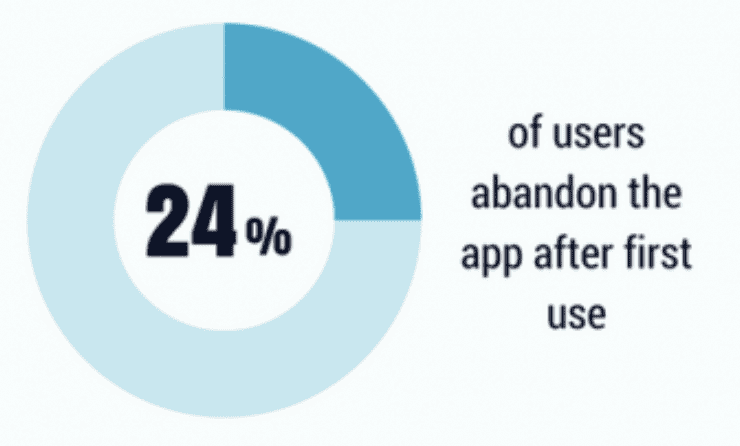
Onboarding is the first impression users have of your app, and it sets the tone for their entire experience. By investing time and resources in crafting an effective onboarding process, you’ll ensure that users can quickly understand and appreciate your app’s value. This helps increase the likelihood that they’ll become loyal, long-term users.
Furthermore, a positive onboarding experience can lead to user referrals, further expanding your app’s user base and overall success.
Best Practices for User Onboarding
Now that we understand the importance of user onboarding for mobile app success, let’s dive into some best practices to ensure your app provides an exceptional onboarding experience for your users. By following these guidelines, you’ll create a smooth, user-friendly process that encourages engagement, satisfaction, and long-term loyalty.
Simplify the sign-up process
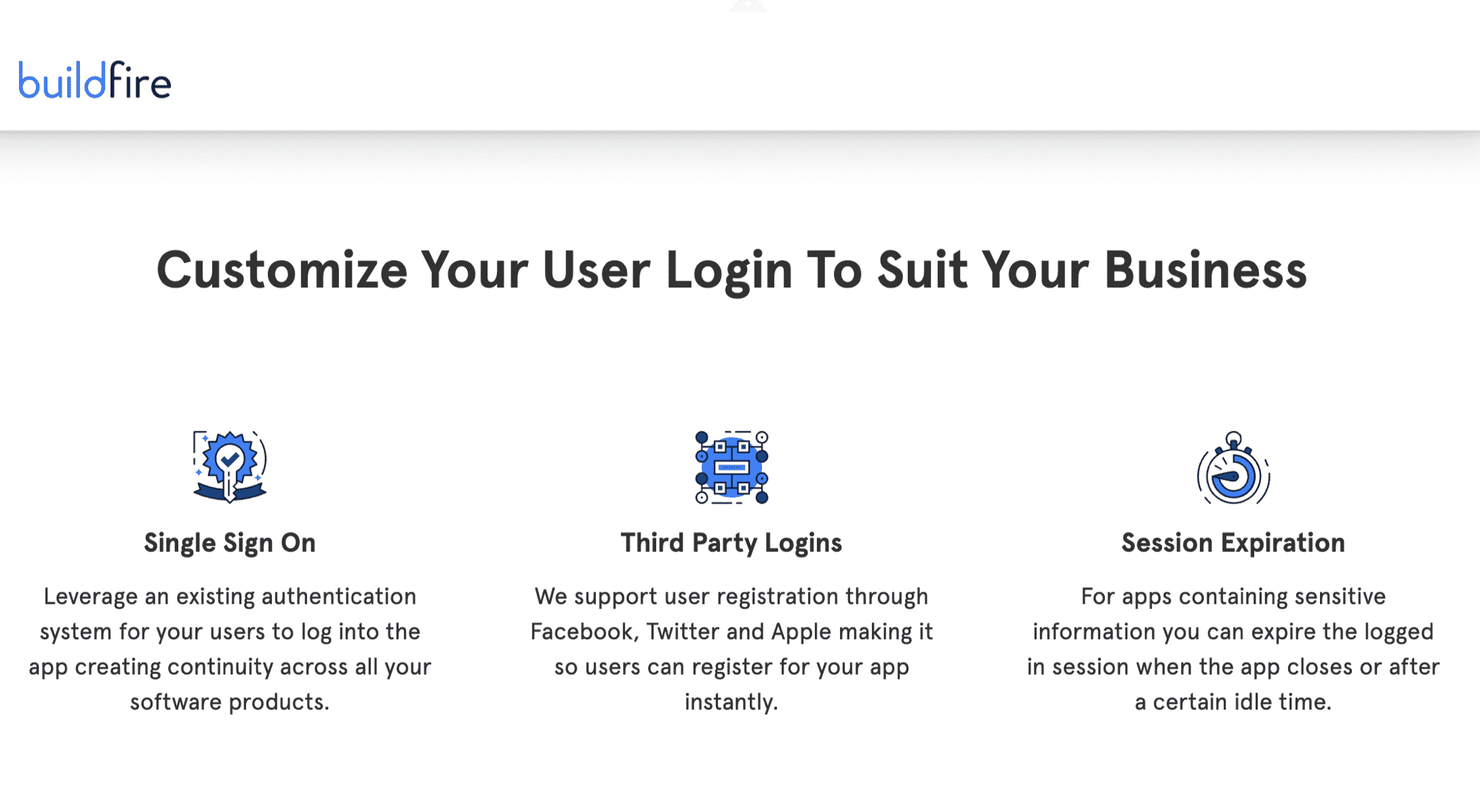
An intuitive sign-up process is crucial for user onboarding. You can streamline the process by incorporating these elements:
- Social media login options — Enable users to sign up using their social media accounts, such as Facebook, Google, or Twitter. This reduces friction and makes it quicker for users to get started.
- Minimal required information — Request only the most essential information during sign-up. Too many fields can overwhelm users and lead to abandonment.
- Quick and easy verification process — Keep the verification process simple and quick, such as sending a confirmation email or text message with a one-time code.
Personalize the user experience
A tailored experience can significantly enhance user engagement and satisfaction. Here are some quick ways you can personalize the experience for app users:
- User preferences — Allow users to set their preferences during the onboarding process. This can include language, notification settings, or content preferences.
- Tailored content — Display content relevant to individual users based on their preferences, location, or previous interactions with the app.
- In-app messaging and notifications — Send personalized messages and notifications to users that are relevant to their interests or app usage patterns.
Utilize progressive onboarding
Progressive onboarding is an approach that introduces features and functionality to users as they become relevant during app usage. You can achieve this by:
- Introducing features in context — Instead of overwhelming users with all features at once, introduce them when they’re relevant to the user’s actions or when the user encounters the feature for the first time.
- Breaking down complex tasks — Divide complicated tasks into smaller, manageable steps. This approach makes it easier for users to understand and complete the task at hand.
- Encouraging exploration — Allow users to discover additional features and functionality as they navigate your app. This can create a sense of accomplishment and deepen their engagement with your app.
Provide a clear and concise app tour
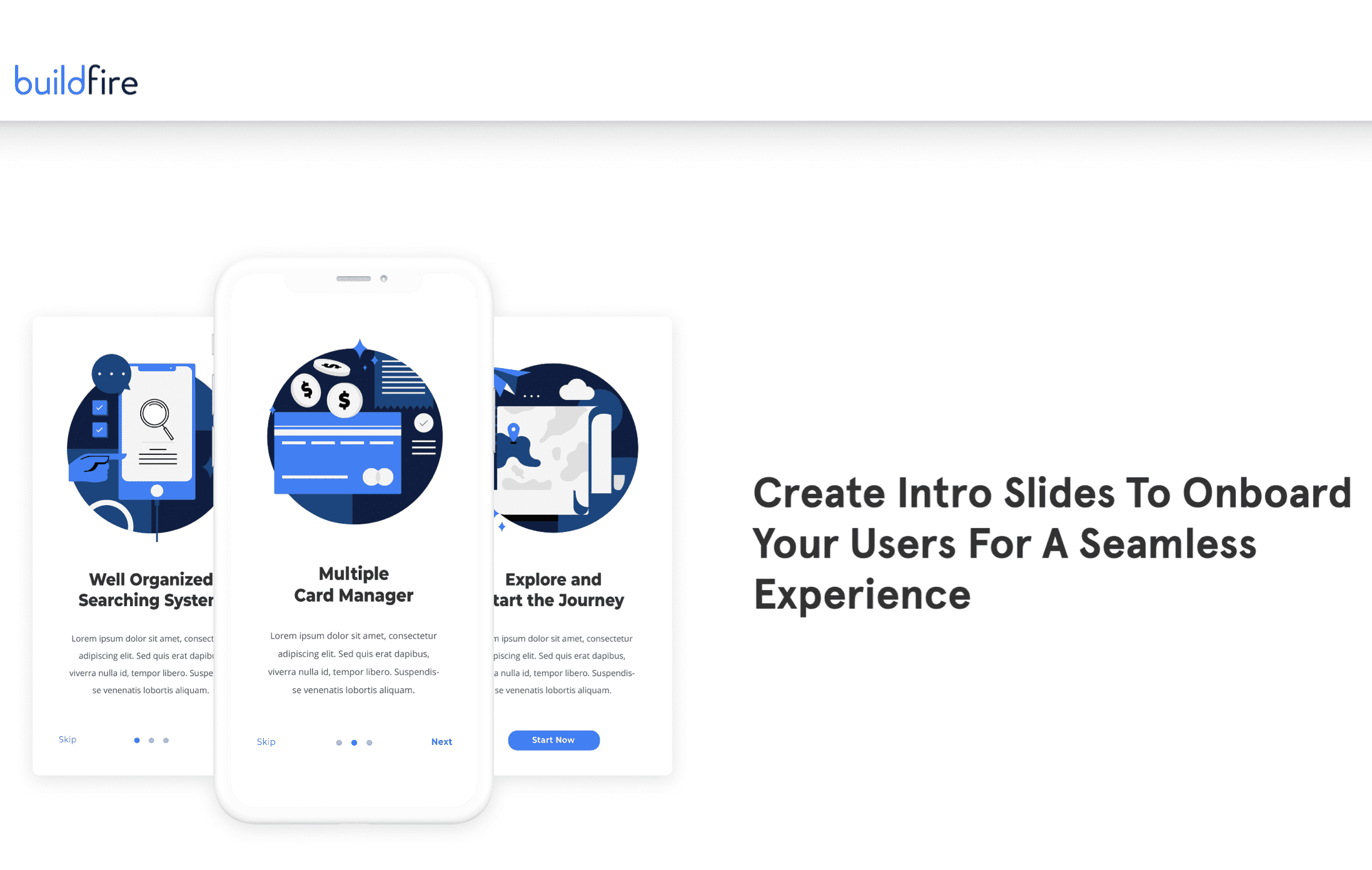
An effective app tour can quickly familiarize users with your app’s features and functionality. Keep these points in mind when designing your tour:
- Highlight key features — Focus on showcasing the most important and useful features of your app. Avoid overloading users with too much information.
- Use visual aids — Utilize images, animations, or short videos to demonstrate how your app works. Visual aids can make it easier for users to understand and remember key features.
- Offer an option to skip the tour — Some users may prefer to explore your app independently. Provide an option to skip the tour for those who want to dive right in.
How to Measure the Success of Mobile App User Onboarding
Establish KPIs to track
To measure the effectiveness of your onboarding process, establish key performance indicators (KPIs) that reflect your goals. Some important KPIs for user onboarding success include:
| KPI | Description |
|---|---|
| Activation rate | Percentage of users who complete the onboarding process and engage with your app’s core features. |
| Time to first key action | Time it takes for users to perform their first meaningful action within your app, such as making a purchase or completing a task. |
| Retention rate | Percentage of users who continue using your app after a specific period, typically 7, 30, or 90 days. |
Frequently Asked Questions
What is user onboarding?
User onboarding is the process that helps new users understand your app — its features and how it benefits them. It sets the foundation for a lasting relationship between the user and the app.
Why does onboarding matter for app success?
In a competitive market, onboarding is one of the most important drivers of success. A user who understands the app’s value early is far more likely to stick around; a confused one leaves.
What are the goals of user onboarding?
To help new users grasp what the app does, show them how its features benefit them, and get them to their first moment of value quickly enough that they keep using it.
What are best practices for mobile app onboarding?
Keep it focused on getting users to value fast, teach features in the context of use rather than all at once, and treat onboarding as the start of a long-term relationship, not a one-time tutorial.