
Compare the top white label app reseller platforms
The white-label reseller landscape, in plain terms
This page compares eight white-label reseller platforms. We've tried to be specific and show you the dimensions that matter when you're running this as a real service line, not a side hustle. Buildfire is the white label mobile app builder compared here.
| Platform | Pricing | Output | App Store Publishing | White Label Depth | Support Model |
|---|---|---|---|---|---|
| Buildfire | Platform fee + per active app fee | Native iOS, Android, PWA | Included and full support — 95% approval rate across 10,000+ published apps | Full — apps, dashboard, website, and every client touchpoint | Account manager + publishing team + human technical support |
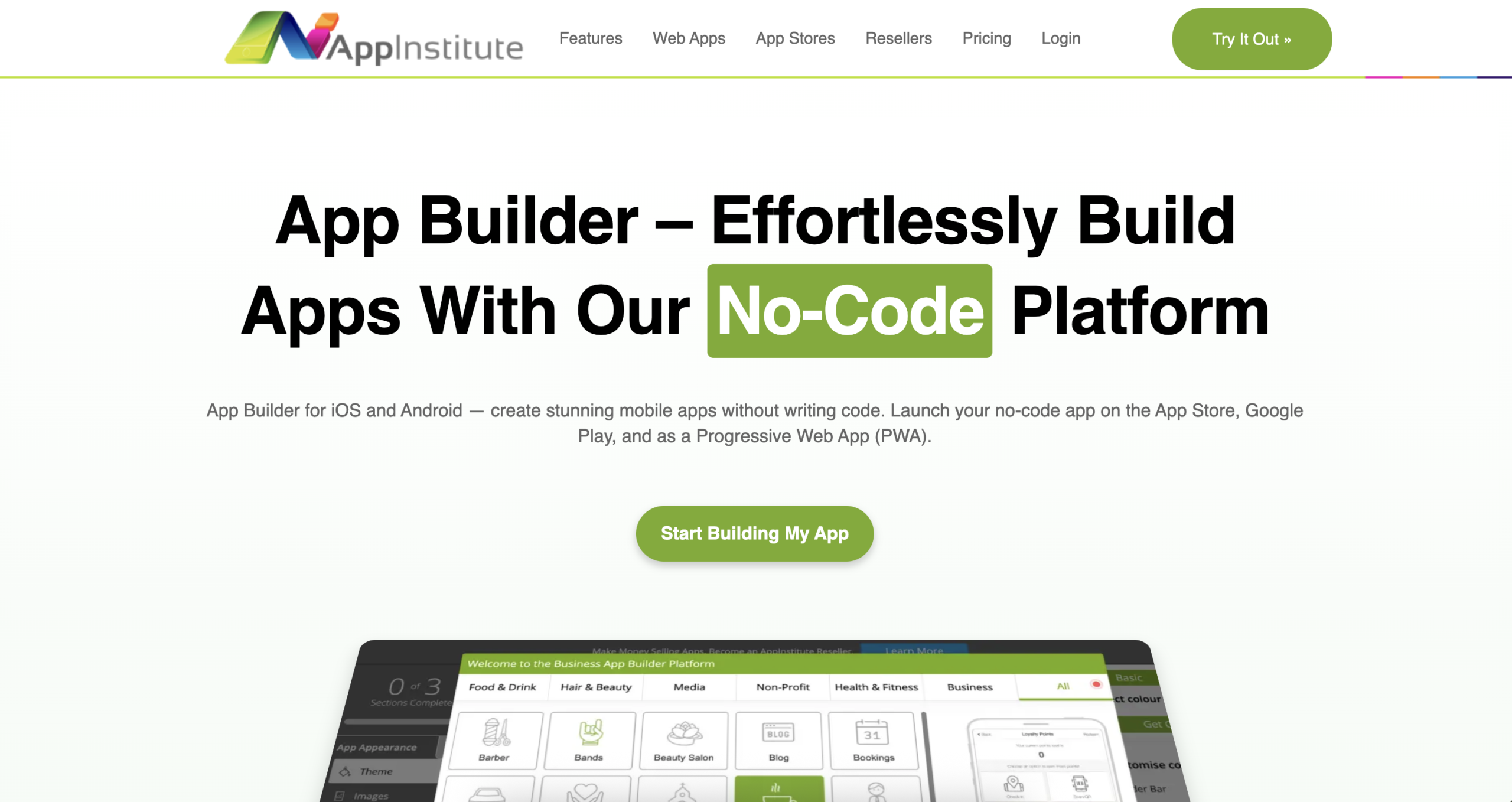
| AppInstitute | 50% recurring revenue share | Native + PWA | Not advertised | Partial — clients see they’re using AppInstitute | Standard support |
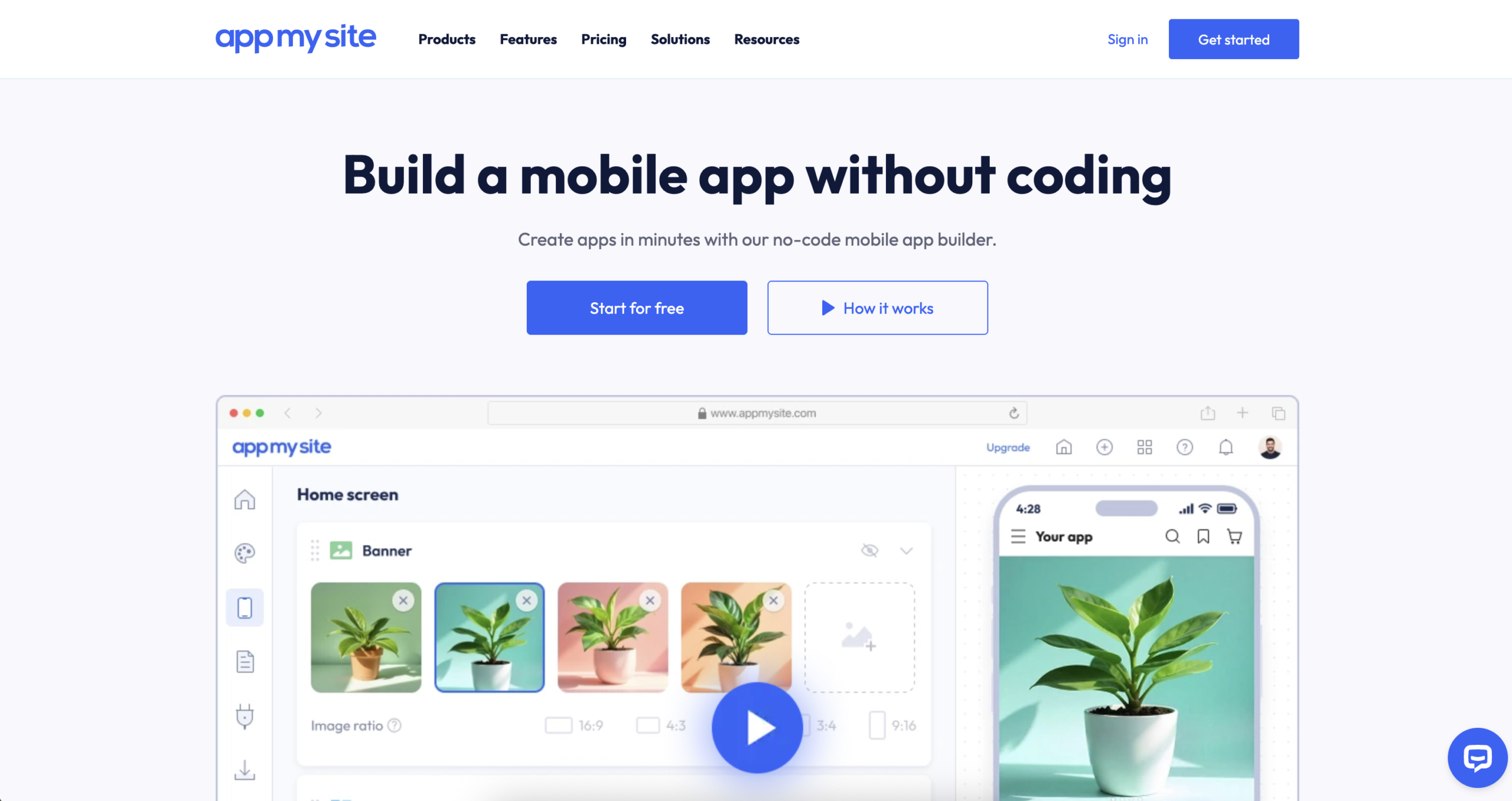
| AppMySite | Starting at $799 per month | Native (WordPress focused) | Not advertised | Full, with branded WordPress plugin | Standard support |
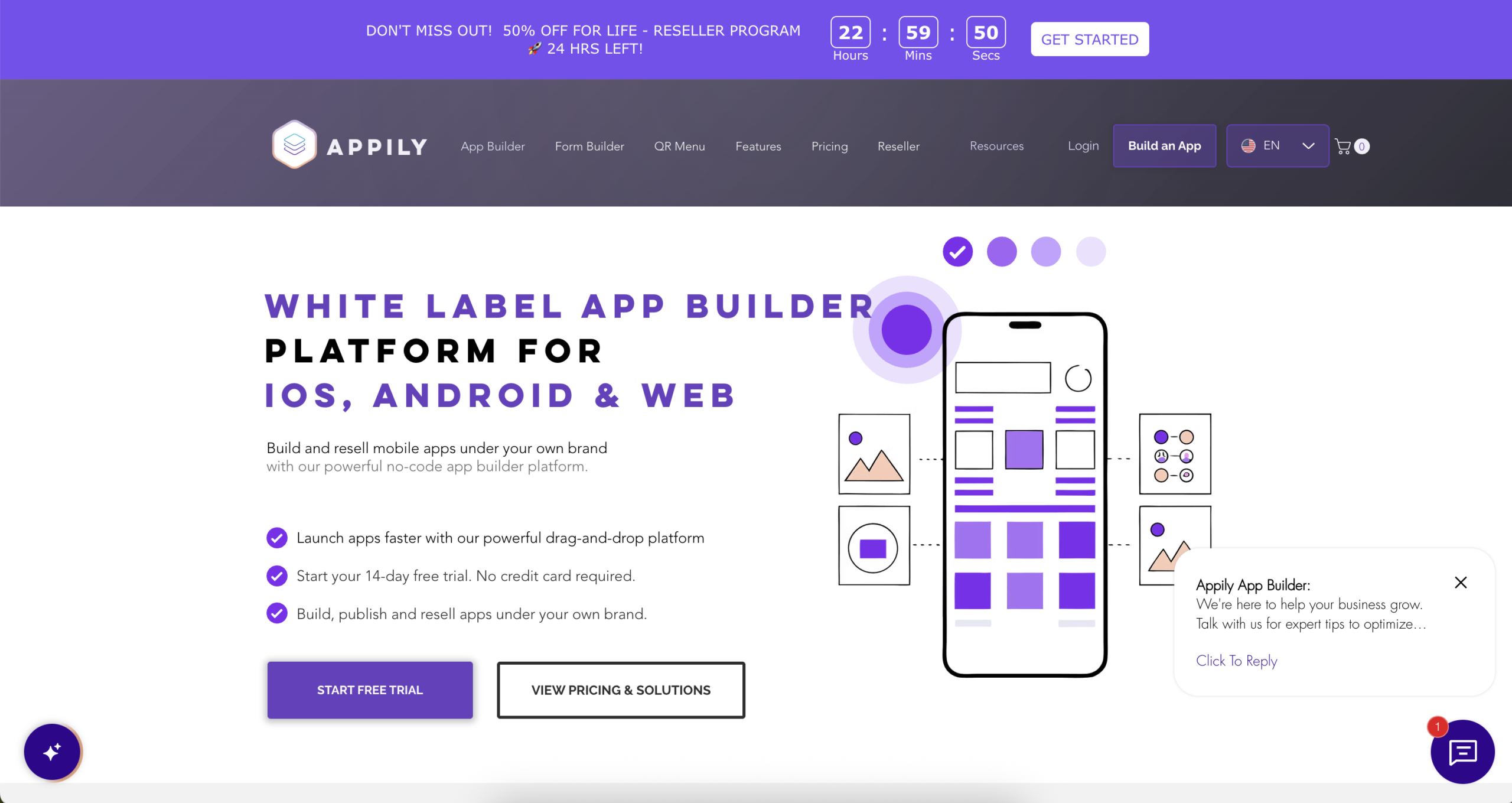
| Appily | From $85 per month | Native iOS & Android | Included | Full | Limited |
| Appy Pie | No pricing models listed | Hybrid / PWA | Tiered, varies by plan | Full at higher tiers | Tiered |
| Good Barber | $279 per month subscription + per app pricing | Native iOS & Android, PWA | Included | Full | Standard support |
| Shoutem | $240 per month w/ unlimited apps | Native iOS & Android, PWA | Included | Full | Standard support |
How each platform compares to Buildfire
AppInstitute
AppMySite
Appily
Appy Pie
GoodBarber
Shoutem
What sets Buildfire apart
A partner, not a platform
Real native apps, actually published
Margin math that actually works
Built to scale under your brand
Ready to power your apps with Buildfire?
How it works
We design it with you
Build it your way
We publish it
Scale and grow after launch
Frequently Asked Questions
What's the difference between true white-label and partial white-label?
A true white-label means your clients never see the underlying platform: apps, dashboards, support communications, and billing all appear under your brand. A partial white-label (like AppInstitute’s revenue-share model) keeps the underlying platform visible to clients, which caps how much equity your agency can build in the relationship. Buildfire is full white-label end-to-end.
Do most white-label reseller platforms include App Store publishing?
It varies widely. Some platforms list submission as a bullet point but leave the work to you. Some charge per submission (typically $30+ per app). Some require your clients to set up their own Apple and Google developer accounts and manage the process independently. Buildfire’s publishing team handles submission end-to-end as part of the partnership, with a 95%+ approval rate across 10,000+ published apps.
Note: Buildfire requires white label clients to set up their own Apple and Google developer accounts.
What pricing models are common across the category?
Three patterns dominate: (1) flat-fee unlimited apps (Shoutem, AppMySite, GoodBarber agency plans); (2) revenue share or affiliate (AppInstitute); (3) per-app or per-client tiers (Buildfire). Each works for different business models. Per-app pricing tends to be the most predictable for agencies that want to forecast margins on a per-client basis as they scale.
Can I migrate apps from another platform to Buildfire?
Usually yes. Simple apps (content plus standard features) can be recreated in Buildfire and republished under your reseller account quickly. Heavily custom or natively-coded apps may require a rebuild – your account manager will scope the work with you upfront before any commitment.
How is Buildfire different from a tool I just rent?
Most reseller platforms are self-serve software with a help desk attached. Buildfire pairs the platform with an account manager who knows your agency, a publishing team that handles App Store and Google Play submissions, and a technical support team that engages directly when issues come up. The relationship looks more like a partnership than a vendor contract.
Note: Most platform comparison content online is either affiliate-driven (the platform paying the highest referral fee ranks first) or vendor-published (every "state of" survey conveniently validates the vendor's own product). We've leaned on independent third-party research where it's available - including the State of App Building report (February 2026), which analyzed platform sentiment across 290+ unique sources without platform sponsorship - and we've sourced competitor claims to public pricing and feature pages at the time of writing.