

Key Takeaways
- Leverage Existing Relationships: Agencies can capitalize on their current business connections to pitch mobile apps effectively.
- Identify Decision Makers: Knowing who makes the final call is crucial for a successful pitch.
- Customize Your Pitch: Tailor your presentation to align with each client’s specific business goals and challenges.
- Address Pain Points: Highlight how a mobile app can solve specific issues or improve business operations.
- Focus on Value: Emphasize the benefits and value of the app rather than just its features.
Identify the Decision Makers
To have a successful app pitch, the first thing you need to do is make sure that you’re pitching to the right person. Identify the decision-maker and figure out how to contact them. For those of you pitching to an existing client, you’ll likely have a point of contact at that company. But don’t assume that this point of contact is the decision-maker for an app development project. Being direct is the best way to get in touch with the right person in the organization. Simply ask your contact who you can speak to about app development. Be prepared to have a “quick pitch” ready for this person. Even if they aren’t the final decision maker, you’ll likely have to win them over first, before they pass the message along to the right person. Again, this is easier if you’re pitching clients that you already have a relationship with. Depending on how long your agency has been working with a business, you probably have multiple points of contact at the company. In my experience, the larger the business, the more challenging it is to identify the decision-maker. That’s because multiple positions within the organization will have influence. For example, the CTO might have the final say in whether or not an app gets built. But the CFO, CEO, and VP of Marketing will let their opinions be heard. So your pitch needs to be persuasive enough to reach each of these positions. Pitch everyone at the same time whenever possible. If your agency has local clients, doing this in-person will be your best bet. Otherwise, a conference call with everyone on the line will be sufficient. For most small businesses, the owner will always be the decision-maker. They likely won’t be swayed or influenced by other positions. So keep that in mind when you’re pitching app ideas to those clients.Understand the Business Goals for Each Client
A big mistake I see agencies make all of the time is using the same pitch for every client. Sure, this is easier, but it won’t get you anywhere. These are the top three reasons why small businesses build mobile apps.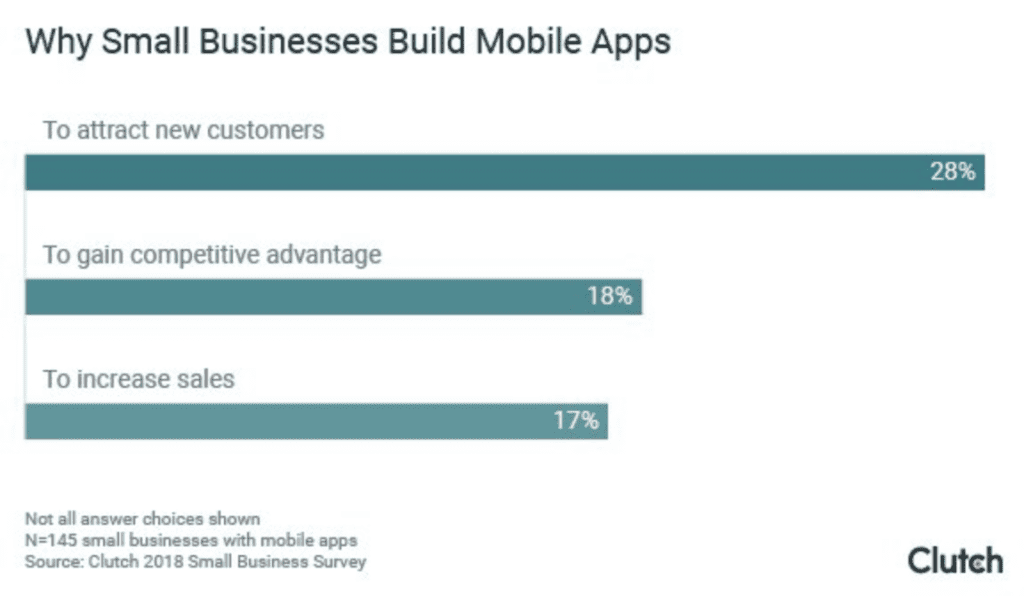 All three of these reasons are very different. Therefore, the pitch for each would need to come from different angles.
If you give a generalized pitch, your clients will see right through it.
Make it personal. Be specific. If this is a company that your agency has already been working with, bring up the goals and KPIs that you’re already addressing. Use real numbers to explain how your agency has helped them get so far, but the app will take things to the next level. Delivery runs on white label mobile app development behind the scenes.
Stay away from the “Dear Sir or Madam” and “To whom it may concern” approach.
Your agency won’t be able to sell any apps like that.
Quality is far more important than quantity when it comes to mobile app pitching. I’d rather spend time doing in-depth and highly researched pitches for ten clients, then creating one general pitch and using it on 100 clients.
Yes, it will obviously take much more work from you and your team to craft unique pitches for each client. But this approach will deliver significantly stronger results.
Don’t make assumptions. Not every business wants to hear a pitch about an app that drives revenue from another channel. Some companies would rather put emphasis on things like customer loyalty and retention. So you need to know which angles to push in your client pitches.
You should also be ready to encounter clients who do not have a clear sense of their goals. In these instances, your agency can help them establish some direction before you pitch them with an in-depth app idea.
All three of these reasons are very different. Therefore, the pitch for each would need to come from different angles.
If you give a generalized pitch, your clients will see right through it.
Make it personal. Be specific. If this is a company that your agency has already been working with, bring up the goals and KPIs that you’re already addressing. Use real numbers to explain how your agency has helped them get so far, but the app will take things to the next level. Delivery runs on white label mobile app development behind the scenes.
Stay away from the “Dear Sir or Madam” and “To whom it may concern” approach.
Your agency won’t be able to sell any apps like that.
Quality is far more important than quantity when it comes to mobile app pitching. I’d rather spend time doing in-depth and highly researched pitches for ten clients, then creating one general pitch and using it on 100 clients.
Yes, it will obviously take much more work from you and your team to craft unique pitches for each client. But this approach will deliver significantly stronger results.
Don’t make assumptions. Not every business wants to hear a pitch about an app that drives revenue from another channel. Some companies would rather put emphasis on things like customer loyalty and retention. So you need to know which angles to push in your client pitches.
You should also be ready to encounter clients who do not have a clear sense of their goals. In these instances, your agency can help them establish some direction before you pitch them with an in-depth app idea.
Address Frustrations and Pain Points
Identifying the goals of your clients is just one component of a successful app pitch. Will a mobile app make your client’s business better? Yes. But what exactly does that mean? Lots of clients will have the “if it’s not broken, don’t fix it” mentality. That’s why you need to show them areas of their business that are actually broken. Identify frustrations or pain points and explain how an app will close those gaps. Show your clients other customer success stories of mobile app development. I don’t mean to sound like a broken record, but I cannot stress this point enough. Every pitch needs to be unique. The challenges of one client won’t be identical to others. For example, let’s say one client is having trouble improving the customer experience, which is a common frustration. Building an app to address those pain points is a viable solution.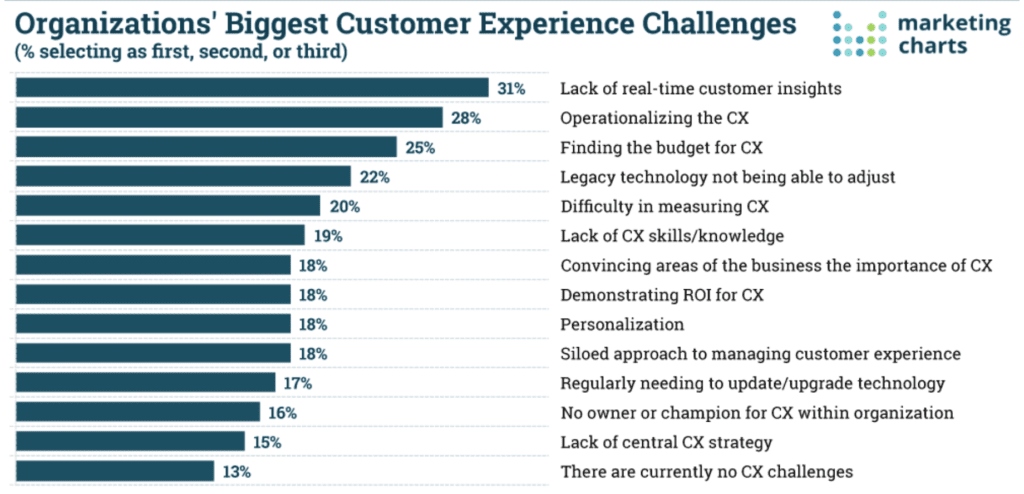
| Client Challenge | App Solution |
|---|---|
| Improving Customer Experience | Develop an app to enhance customer journey, loyalty programs, and personalization. |
| Internal Communication | Create an HR app to streamline communication for remote employees and field workers. |
Focus on Value, Not Features
App development has endless opportunities. So it’s tempting for agencies and resellers to talk about every feature and possibility for building an app. But focusing your pitch on features is a mistake. Don’t make things more complicated than they need to be. Lots of people are resistant to change. So if you pitch an app to them that will change their entire operation and process, it’s likely to get rejected.Conduct Industry and Competitive Research
We’ve already discussed the importance of understanding the specific goals and needs of an individual organization before you give them an app pitch idea. But your due diligence must go beyond that. Show your clients real reasons why they need an app with industry statistics and competitive research. If you don’t know where to start your research, check out these guides:- Mobile App Download and Usage Statistics
- Mobile App Development Trends of 2020
- Mobile Ecommerce: Revenue, Usage, and Statistics
| Competitor Status | Pitch Focus |
|---|---|
| Competitors have an app | Stress the importance of building one immediately to keep up with them. Otherwise, the client will be at risk of losing customers. |
| Competitors do not have an app | Focus the pitch on becoming an early adopter to gain an edge. By getting to market before the competition, your clients can gain a significant competitive advantage in their industries. |
Create a Roadmap
Naturally, your clients will have some questions after your pitch. I’m sure you’ll even field some questions in the middle of your pitch. No problem. Just be prepared, and give them enough information, so they aren’t left wondering. The most logical question for any client who is interested in building an app is “how do we proceed?” You should have a rough roadmap and timeline ready during your presentation. Don’t leave your clients wondering or tell them that you haven’t thought that far ahead yet. That’s unprofessional and won’t win anyone over. Since you won’t know exactly what features your client wants to build, don’t include any firm dates in the timeline. Instead, just show them the standard progression of app development.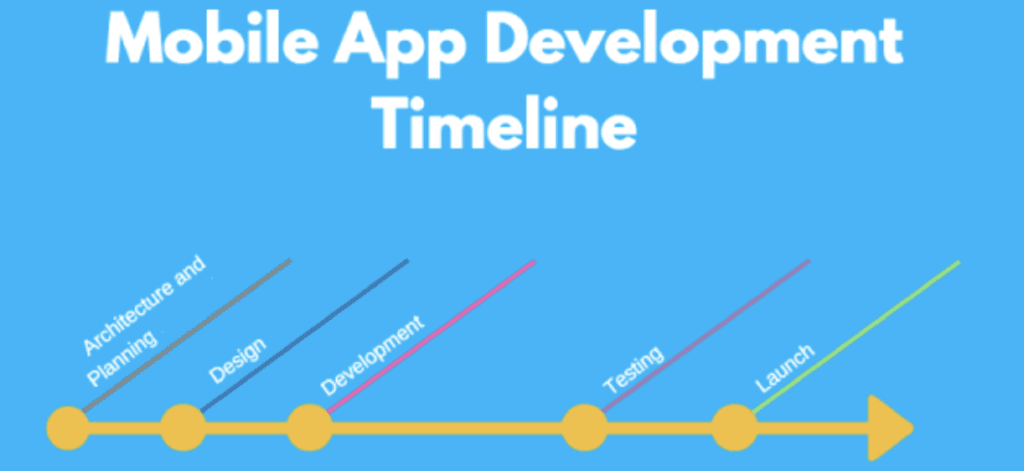 Depending on your business model and how your reseller platform is set up, there are a couple of different ways the app can be developed.
You can build the app for your clients using the platform. Or you can simply provide the white-label software and let them make it on their own.
Discuss these options with your clients during the pitch. Explain that they have control over the entire process.
This is a great time to circle back to the couple of core features that you mentioned earlier in your pitch. Explain that the more features you add, the longer the development process will take. So it’s best to work on those main functions first, and they can always add more post-launch.
Even if you’re new to white label reselling, you want your clients to feel comfortable building an app with you. Having a firm grasp of the roadmap and timeline will put their minds at ease. kage.
For example, let’s say your agency specializes in SEO, PPC, and social media advertising. Include app development in your plans and simply adjust the prices accordingly.
Building an app doesn’t always need to be sold as a standalone add-on. When you include it in the bundle, it’s more appealing for your clients as well. Now they can get everything they need from a single agency, instead of having to shop around for different services elsewhere.
Depending on your business model and how your reseller platform is set up, there are a couple of different ways the app can be developed.
You can build the app for your clients using the platform. Or you can simply provide the white-label software and let them make it on their own.
Discuss these options with your clients during the pitch. Explain that they have control over the entire process.
This is a great time to circle back to the couple of core features that you mentioned earlier in your pitch. Explain that the more features you add, the longer the development process will take. So it’s best to work on those main functions first, and they can always add more post-launch.
Even if you’re new to white label reselling, you want your clients to feel comfortable building an app with you. Having a firm grasp of the roadmap and timeline will put their minds at ease. kage.
For example, let’s say your agency specializes in SEO, PPC, and social media advertising. Include app development in your plans and simply adjust the prices accordingly.
Building an app doesn’t always need to be sold as a standalone add-on. When you include it in the bundle, it’s more appealing for your clients as well. Now they can get everything they need from a single agency, instead of having to shop around for different services elsewhere.
Learn From Unsuccessful Mobile App Pitching
Every client you pitch will not build an app. This is just a reality that you need to accept. Don’t get discouraged. There are dozens of reasons why some clients won’t be interested. Whether it’s budget limitations or stubbornness to change, all pitches will not be successful. It’s even possible that the client didn’t buy because you botched the pitch; it happens. Regardless of the reason, you need to learn from those mistakes and turn them into wins moving forward.| Question | Consideration |
|---|---|
| Did the client ask a question that you were unprepared to answer? | Ensure you have all necessary information and anticipate potential questions. |
| Were you speaking to the right person? | Identify and engage with decision-makers early in the process. |
| Did you do enough research on the business, industry, and competition? | Conduct thorough research to tailor your pitch effectively. |
Conclusion
You need to find the right white label reseller program to successfully pitch apps to your clients. Even if you’re the best salesperson in the world, your pitch will only be as good as your product once the client asks to see a demo or try it out. Buildfire has everything you need to create a white label program. Whether you have an established agency or want to start selling apps from scratch, we have the tools and resources to get you started. Check out this case study to see how King Concepts used Buildfire to grow their agency. Before you start pitching apps to your agency clients, make sure you use this guide as a reference. Just follow the winning formula that I’ve outlined above.Frequently Asked Questions
How do I identify the decision-maker for app pitches?
Identifying the decision-maker involves understanding the organizational structure of your client. For larger businesses, multiple stakeholders like the CTO, CFO, and CEO may be involved.
What are the common goals businesses have for mobile apps?
Common goals include improving customer experience, enhancing internal communication, and driving revenue.
How can I tailor my app pitch to different clients?
Tailoring your pitch involves understanding each client’s unique challenges and goals. Use specific data and examples relevant to their industry.
What are effective ways to address client pain points in a pitch?
Addressing pain points requires identifying areas where the client’s business can improve. Demonstrating how an app can solve these issues with real-world examples can be effective.
Why is it important to customize app pitches?
Customization shows clients that you understand their specific needs and challenges, making your pitch more compelling. A generic pitch may not resonate with their unique business objectives.