

Key Takeaways
- Mobile Dominance: Mobile devices account for over half of global internet traffic.
- Conversion Rates: Mobile apps convert at a 157% higher rate than mobile websites.
- Personalization: Apps allow for better personalization based on user data.
- Communication: Push notifications in apps have a 90% open rate, far exceeding email.
- User Experience: Apps provide a seamless experience without the need for repeated logins.
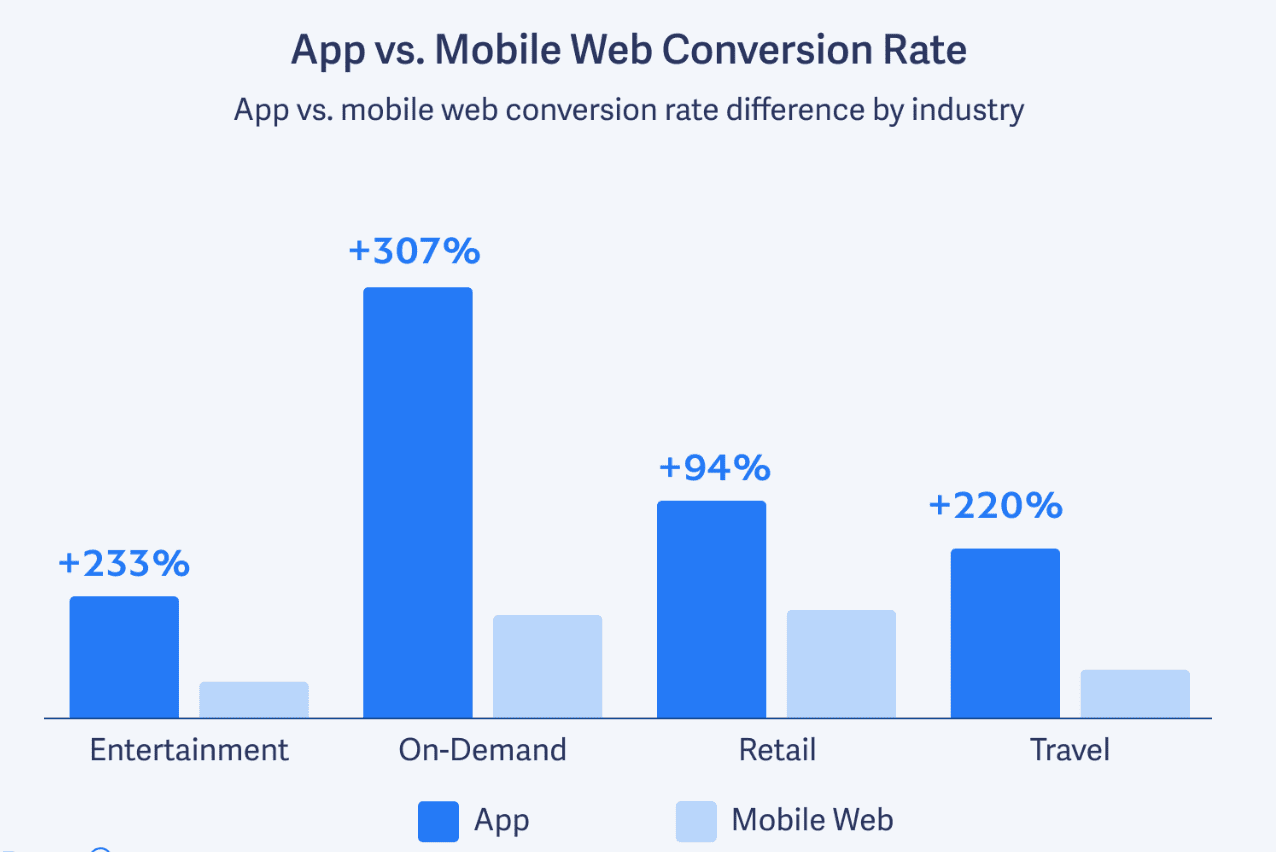 As you can see from the graph, this statement holds true across all industries. On average, mobile apps convert at a 157% higher rate than the mobile web.
So for those of you who are relying solely on a mobile website to drive conversions, you’re missing out on a huge opportunity. The only way to maximize conversions is with a mobile app.
At first glance, mobile apps and mobile websites might seem similar. How is it possible that one platform can convert at such a higher rate than the other? Especially when they are being accessed through the same device.
In this guide, I’ll explain exactly why mobile apps convert better than mobile sites. By the end, you’ll understand the importance of building an app for your website or business.
As you can see from the graph, this statement holds true across all industries. On average, mobile apps convert at a 157% higher rate than the mobile web.
So for those of you who are relying solely on a mobile website to drive conversions, you’re missing out on a huge opportunity. The only way to maximize conversions is with a mobile app.
At first glance, mobile apps and mobile websites might seem similar. How is it possible that one platform can convert at such a higher rate than the other? Especially when they are being accessed through the same device.
In this guide, I’ll explain exactly why mobile apps convert better than mobile sites. By the end, you’ll understand the importance of building an app for your website or business.
Better Personalization
It’s no secret that personalization drives conversions. This holds true whether a consumer is shopping in-store, online, or from any device. The best way to personalize someone’s experience is based on factors like:- Interests
- Behavior
- Location
- Demographics
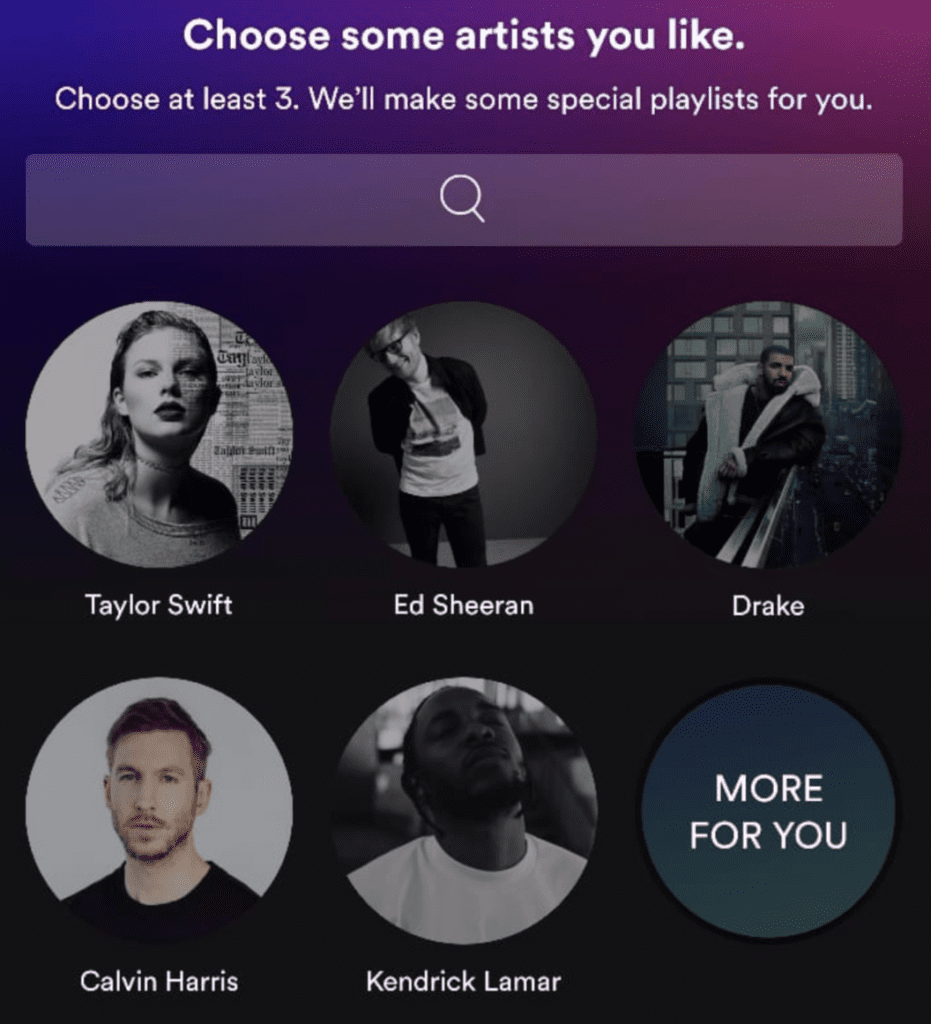 Anyone can download and use the Spotify app for free. But Spotify also offers premium subscriptions.
This strategy of personalized playlists for users will ultimately improve their experience using the app. In turn, this will increase the chances that people will convert to paying customers.
An app makes it easy for users to track their spending, view their purchase history, or monitor their status towards rewards in your customer loyalty program.
Can some of this be done on the mobile web? Sure. But it requires users to sign in to an account. This extra step can be tedious, especially from a 4-inch screen. With a mobile app, users will automatically be signed in when they open the app on their devices.
Anyone can download and use the Spotify app for free. But Spotify also offers premium subscriptions.
This strategy of personalized playlists for users will ultimately improve their experience using the app. In turn, this will increase the chances that people will convert to paying customers.
An app makes it easy for users to track their spending, view their purchase history, or monitor their status towards rewards in your customer loyalty program.
Can some of this be done on the mobile web? Sure. But it requires users to sign in to an account. This extra step can be tedious, especially from a 4-inch screen. With a mobile app, users will automatically be signed in when they open the app on their devices.
Easier Communication
Communication is another key element that drives conversions. There is definitely a wide range of reasons and methods for a brand and customer to communicate, but all of these can be broken down into two main categories:- Communication initiated by the user.
- Communication initiated by the business.
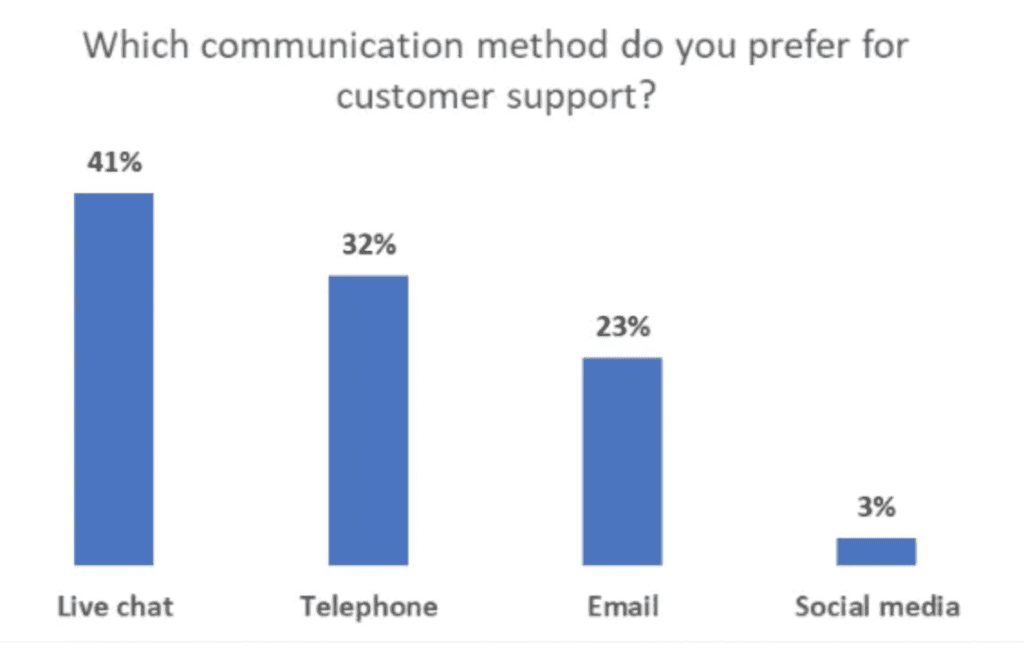 While you can make live chat available on your mobile website, the user experience is much better overall when it’s integrated into a mobile app.
You can set up a specific section of your app dedicated to customer support. Users can communicate with you via live chat, email, ticket support, or phone, simply by selecting one of the options on your menu.
Now let’s talk about communication initiated by the brand. On the mobile web, this isn’t really possible.
Sure, you can have an AI robot or chatbot pop up on the page. But that’s about as limited as it gets. The only other way to establish communication with mobile web visitors is by getting them to sign up for emails.
With a mobile app, you have the freedom and flexibility to connect with users at any time via push notifications. Push notifications drastically outperform email communication.
ave a 90% average open rate, compared to 23% for email.
70% of people feel that push notifications are useful, and 40% of users engage with a push notification within an hour of receiving one. Push notifications have a 7x higher engagement rate compared to emails.
The only way to communicate with users via push notifications is through a mobile app.
While you can make live chat available on your mobile website, the user experience is much better overall when it’s integrated into a mobile app.
You can set up a specific section of your app dedicated to customer support. Users can communicate with you via live chat, email, ticket support, or phone, simply by selecting one of the options on your menu.
Now let’s talk about communication initiated by the brand. On the mobile web, this isn’t really possible.
Sure, you can have an AI robot or chatbot pop up on the page. But that’s about as limited as it gets. The only other way to establish communication with mobile web visitors is by getting them to sign up for emails.
With a mobile app, you have the freedom and flexibility to connect with users at any time via push notifications. Push notifications drastically outperform email communication.
ave a 90% average open rate, compared to 23% for email.
70% of people feel that push notifications are useful, and 40% of users engage with a push notification within an hour of receiving one. Push notifications have a 7x higher engagement rate compared to emails.
The only way to communicate with users via push notifications is through a mobile app.
Utilize Mobile Device Features
This is arguably the biggest difference between mobile apps and mobile websites. Simply put, users must be connected to the Internet to access a mobile site.| Mobile Apps | Mobile Websites |
|---|---|
| Can deliver functionality offline | Require Internet connection |
| Access cached information | Need data or Wifi to function |
| Examples: Banking apps for offline calculations, Netflix for offline video viewing | Limited to online access only |
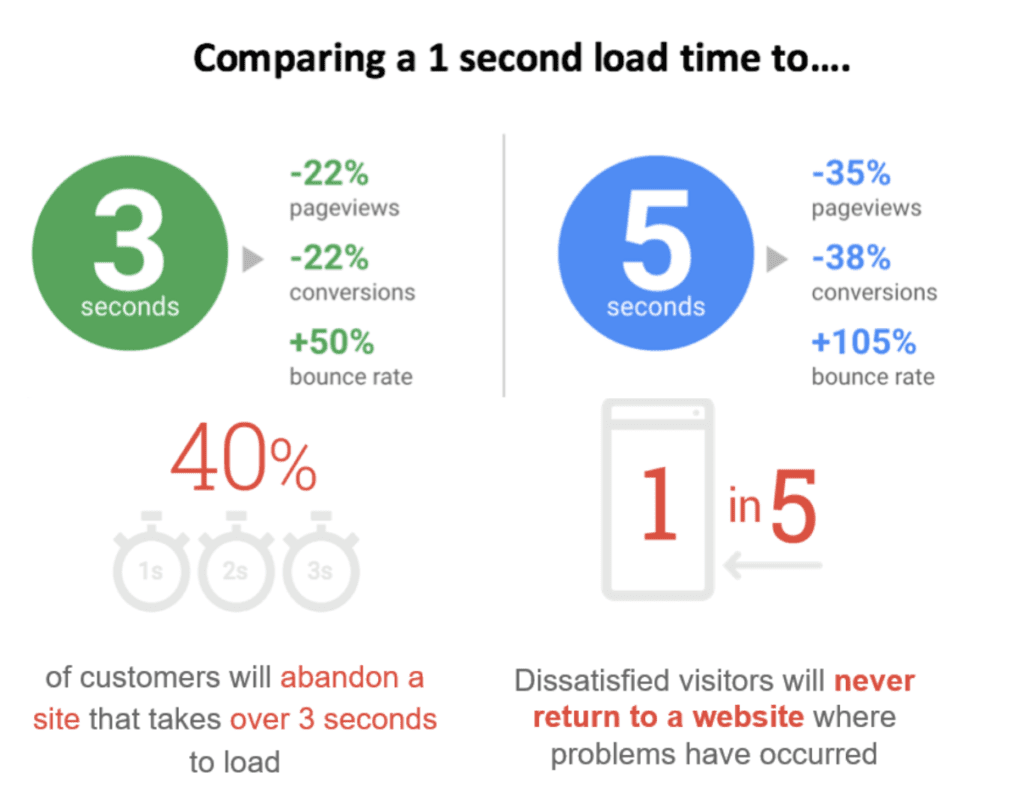 You would think that three seconds is pretty quick. But as you can see from this infographic above, it’s just not fast enough.
Slow loading times result in higher bounce rates, higher abandonment rates, and lower conversion rates.
On the flip side, mobile app data can be stored locally on each unique device. This means that retrieving the data to load content happens nearly instantaneously. The mobile app framework also runs faster than traditional website JavaScript code.
The backend performance of the app ultimately results in faster speed for users on the front end.
Furthermore, the fact that app users can have their preferences stored will speed things up as well, making it easier and more likely that they’ll convert.
You would think that three seconds is pretty quick. But as you can see from this infographic above, it’s just not fast enough.
Slow loading times result in higher bounce rates, higher abandonment rates, and lower conversion rates.
On the flip side, mobile app data can be stored locally on each unique device. This means that retrieving the data to load content happens nearly instantaneously. The mobile app framework also runs faster than traditional website JavaScript code.
The backend performance of the app ultimately results in faster speed for users on the front end.
Furthermore, the fact that app users can have their preferences stored will speed things up as well, making it easier and more likely that they’ll convert.
Increase Engagement and Retention
Mobile websites don’t have any way to really drive engagement. The capabilities are limited, and you’re restricted in terms of when and how you can connect with the visitors. We talked about this earlier when we were discussing communication. With an app, you can use a push notification to stimulate engagement. You don’t have this luxury on your mobile site. Apps make it easier for you to retain your customers as well. With features like a customer loyalty program or referral program, it entices people to stay active on your app. When a customer sees that they are being rewarded for spending or conversions, it makes it more likely that they’ll continue to convert. If you also give people an incentive to refer to family and friends, then those same people will continue using the app moving forward. Sharing content, driving engagement, and raising retention rates is much more difficult from a mobile website.Checkout Optimization
Checkouts are the ultimate form of conversions. Sure, a conversion can also be defined by an action such as a download or opt-in, but checkouts result in dollars. Mobile apps are designed for checkouts. In many cases, checkouts can happen in a matter of seconds. You won’t get this benefit on the mobile web.| Aspect | Mobile App | Mobile Website |
|---|---|---|
| Checkout Speed | Seconds | Minutes |
| Information Entry | Saved | Manual Entry Required |
| Process Complexity | Simple | Complex |
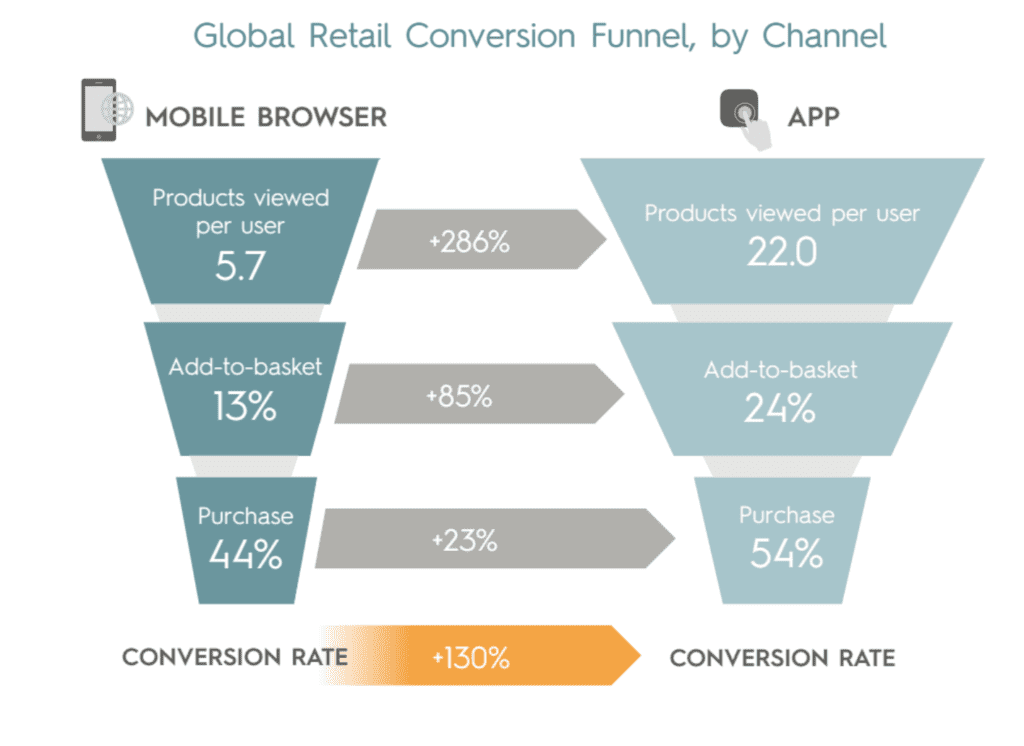 Earlier we looked at data related to mobile conversions as a whole. But this graph specifically covers eCommerce conversions between mobile apps and mobile websites.
As you can see, the app outperforms the mobile browser in every category.
Users view more products per session, have a higher add to cart rate, and ultimately covert at a 130% higher rate.
Earlier we looked at data related to mobile conversions as a whole. But this graph specifically covers eCommerce conversions between mobile apps and mobile websites.
As you can see, the app outperforms the mobile browser in every category.
Users view more products per session, have a higher add to cart rate, and ultimately covert at a 130% higher rate.
Better Branding
Getting users to download your app is a huge win in terms of your branding strategy. With a mobile website, people are only exposed to your brand when they navigate to your site. How often does that happen? And how long does that last for? If you’re lucky, someone might visit your site once a week, and stay on there for a few minutes per session. But people use their mobile devices all day, every day. They’ll see your app, brand name, and logo on their screen all of the time. This gives them more of an incentive to open your app and convert. Even if they aren’t using the app daily, they are still exposed to your name and brand. This makes it more likely that they’ll convert in the future since your company is constantly on their minds and in front of their eyes.Conclusion
You need to have a mobile-optimized website. But with that said, a mobile website is limited, and doesn’t drive conversions as well as a mobile app. The only way to maximize conversions is with a mobile app. Here’s a quick summary of why mobile apps convert higher than the mobile web:- Apps offer better personalization.
- It’s easier to communicate with an app.
- Apps can leverage mobile device features.
- Mobile apps have offline access.
- People spend more time using apps than mobile web browsers.
- Mobile apps deliver better UX and UI.
- Mobile apps are faster than mobile sites
- Apps drive engagement and increase retention rates.
- Mobile apps are optimized for checkouts.
- Apps improve your branding strategy.
Frequently Asked Questions
How can personalization in mobile apps increase conversions?
Personalization in mobile apps allows businesses to tailor content and recommendations based on user behavior and preferences, enhancing user engagement and conversion rates.
What role do push notifications play in app conversions?
Push notifications enable direct and timely communication with users, significantly outperforming email in terms of open rates.
Can mobile websites achieve the same level of personalization as apps?
While mobile websites can offer some level of personalization, apps provide a more seamless and integrated experience, automatically logging users in and offering real-time data collection.
What are the benefits of mobile apps over mobile sites?
Mobile apps offer better UX/UI, offline access, and faster performance compared to mobile sites.
Can mobile apps work offline?
Yes, mobile apps can function offline, providing access to certain features without an internet connection.
How do mobile apps improve user engagement?
Mobile apps drive engagement through personalized experiences and push notifications, increasing retention rates.