

It’s no secret that our society is becoming increasingly reliant on mobile devices. But having a mobile-optimized website alone is no longer enough to thrive in today’s rapidly evolving digital landscape, particularly when targeting mobile users. A mobile website is just the bare minimum.
To keep pace with consumer expectations and gain an edge over your competition, converting your website into an app is critical.
The numbers speak for themselves. 88% of mobile device time is spent using apps. 70% of all digital media consumption comes from apps, and mobile apps are expected to generate over $935 billion this year alone.
Converting a website into an app opens up countless opportunities for businesses across every industry. From improving user engagement and customer loyalty to accessing new revenue streams and expanding market reach, these benefits are hard to overlook for anyone with a website.
Fortunately, developing an app has never been easier. With the help of an app builder or website to app converter, you can turn your website into your own app quickly—without breaking the bank.
If you’re still on the fence, the information in this guide might be enough to change your mind. We’ll dive deep into all the benefits and advantages of going from a website to a mobile app that will take your business to new heights.
Key Takeaways
- Superior UX: Mobile apps offer 85% better consumer preference over websites due to faster speeds and intuitive touch interfaces.
- Native Functionality: Apps leverage device hardware like GPS, cameras, and push notifications to drive engagement.
- Higher Retention: App retention rates are up to 90% higher than mobile browsers because of personalized content and home-screen visibility.
- Offline Access: Unlike websites, apps can provide content caching and offline navigation, ensuring utility without an internet connection.
- New Revenue: Converting to an app unlocks monetization via in-app purchases, subscriptions, and specialized mobile ad networks.
Enhancing the Mobile User Experience
A whopping 85% of consumers say they prefer mobile apps over mobile websites. So when you convert your website to an app, you’re instantly improving the user experience.
How is this possible? Let’s take a look at some key UX-related advantages of a mobile app compared to a website. Agencies can pair each app with white label client websites.
- User Interface and Interaction — Apps are designed with mobile users in mind, offering interfaces and interactions that are optimized for small screens and touch controls. This results in significant improvements in user interface (UI) design, including simplified menus, larger buttons, and intuitive gestures that enhance the overall user experience. Apps have a clear edge over mobile websites that often require pinching, zooming, and scrolling to view content.
- Speed and Performance — One of the most noticeable differences users experience when switching from a website to an app is speed. Apps store data locally on the device, allowing for quicker load times and smoother transitions between features and content. This immediate access is crucial for retaining users, as loading delays can lead to frustration and abandonment.
- Navigation and Accessibility — Apps also offer superior navigation compared to mobile websites. With the ability to implement custom navigation solutions, such as bottom navigation bars or swipeable tabs, apps make it easier for users to find what they’re looking for. This encourages deeper exploration of what the app has to offer.
- Engagement and Satisfaction — The tailored UX that apps provide leads to higher engagement levels and customer satisfaction. Features like push notifications can be used to keep users informed and engaged, offering timely updates and personalized content that draws them back into the app. This direct line of communication is something that websites struggle to match, making apps a powerful tool for fostering long-term relationships with users.
One great example of this in the real world is H&M.
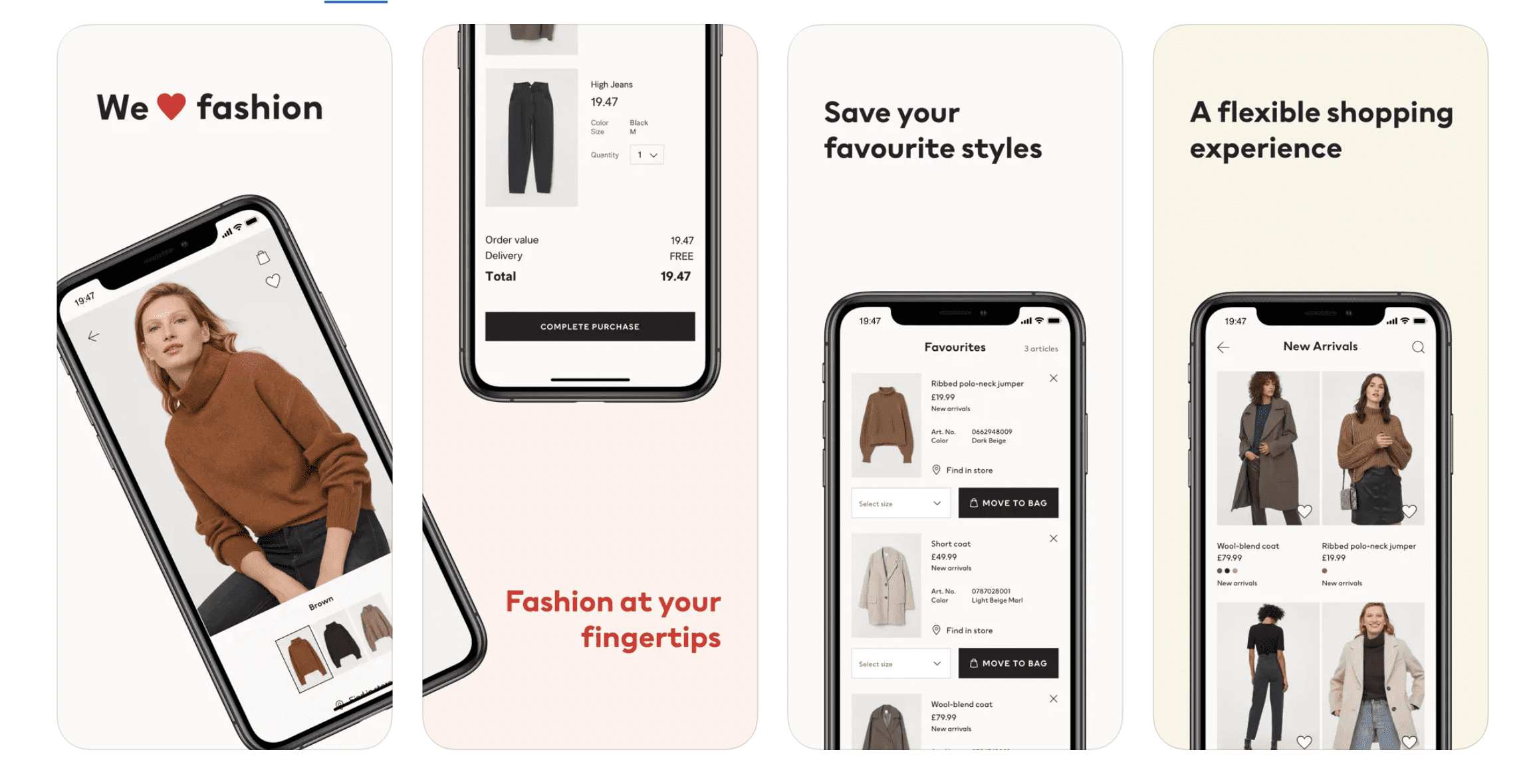
As the second largest fashion retailer in the world, H&M has astonishing engagement rates—with 61% of its app users returning to use it on a monthly basis. Ecommerce websites don’t see this type of traction for their audience.
This same type of success can be replicated through your own app.
Accessing Native Mobile Features
One of the most compelling reasons to convert a website into an app is the ability to access and utilize native mobile features. These features, intrinsic to mobile devices, open up a new realm of possibilities for user interaction, engagement, and functionality that simply cannot be matched by mobile websites. Examples include:
| Native Feature | Business Benefit |
|---|---|
| GPS & Location | Tailored local content and store finders. |
| Push Notifications | Direct communication channel for promotions and updates. |
| Biometrics | Secure, one-touch login (FaceID/Fingerprint). |
| Offline Mode | Access to data and features without internet. |
Integrating these features into your native app not only enhances its appeal and usability but also offers practical benefits that can significantly impact user retention and satisfaction. For instance, an e-commerce app utilizing push notifications for personalized offers can see an increase in repeat visits and sales. Similarly, a travel app leveraging GPS for real-time updates and location-based services can become an indispensable tool for travelers.
Boost Brand Recognition Amongst App Users
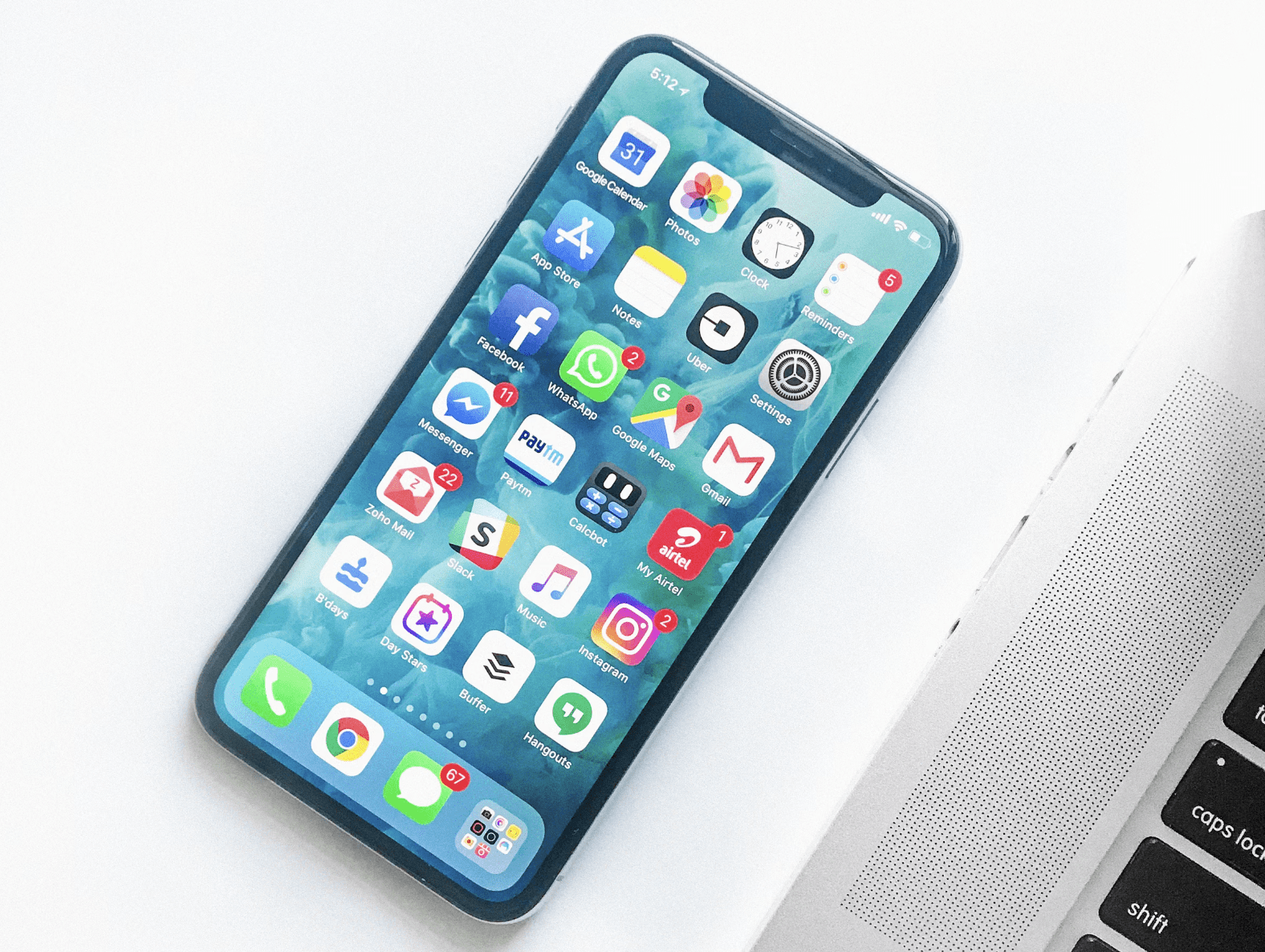
Brand visibility and recognition are paramount for business success. Converting your website into an app offers a unique advantage in this arena, notably through the presence of your app icon on a user’s home screen. This seemingly small feature can have profound implications for brand awareness and engagement.
An app icon acts as a constant visual reminder of your brand, residing among the most used tools and platforms on a user’s device.
Unlike a website, which requires a user to open a browser, type in a website URL, or search for your site, an app is just a tap away. This ease of access significantly reduces the barrier to interaction, making it more likely that users will engage with your app—and, by extension, your brand—on a regular basis.
Consider the difference in steps between accessing a website and an app:
| Access Method | Steps to Engagement |
|---|---|
| Mobile Website | Unlock phone → Open browser → Type URL/Search → Navigate site |
| Mobile App | Unlock phone → Tap app icon |
This direct and simplified access not only enhances user convenience but also increases the likelihood of frequent engagement. Each interaction with your app reinforces brand recognition and loyalty, making your brand a familiar and trusted presence in the user’s daily digital landscape.
In addition to the app icon, converting your website into an app allows you to maintain consistent branding elements throughout the user experience. From the color scheme and logos to the tone of voice and messaging, an app provides a controlled environment in which every aspect can be tailored to reflect your brand identity. This consistency is crucial for building a strong brand image that resonates with users and stands out in a crowded marketplace.
Improving Customer Retention
While attracting new customers is important, retaining existing ones is even more critical—and often more cost-effective. Mobile apps offer a powerful toolset for enhancing customer retention, thanks to their ability to facilitate direct engagement, personalized experiences, and loyalty incentives in ways that websites simply cannot match.
In fact, research shows that mobile app retention rate is 50% higher than web browser. This number jumps to 90% for smartphone users.
The effectiveness of mobile apps in retaining customers lies in their capacity to maintain an ongoing dialogue with users. Through features like push notifications, apps can deliver timely and relevant content directly to a user’s device. This immediacy ensures that your brand remains visible and top-of-mind, encouraging regular interaction. Whether it’s a reminder about an unfinished purchase, a notification about a new product, or a personalized offer based on past behavior, these notifications can significantly increase engagement rates and, consequently, retention.
Personalization is another key advantage of mobile apps. By leveraging user data and behavior, apps can tailor the user experience to meet individual preferences and needs. This could mean recommending products similar to past purchases, customizing content feeds, or even adjusting the app’s navigation based on the user’s interests. Personalized experiences make users feel valued and understood, fostering a positive connection with your brand and increasing the likelihood of continued app use.
Loyalty programs seamlessly integrated into your app can further enhance customer retention. Offering rewards, points, or exclusive benefits for app activities not only incentivizes continued usage but also builds emotional loyalty towards your brand. Users are more likely to return to an app where they feel their loyalty is recognized and rewarded.
The impact of these strategies on customer retention is clear. This ongoing engagement is vital for building a stable customer base for your brand.
Mobile Apps Provide Offline Accessibility
A key benefit that sets mobile apps apart from websites is the ability to offer offline accessibility. This feature is not just a technical enhancement—it’s a fundamental shift in how users interact with your digital content. By enabling certain functionalities to be available without an internet connection, apps can significantly enhance user convenience, ensuring that your services remain accessible even in the most remote or connectivity-challenged situations.
Offline accessibility in iOS apps and Android apps addresses a critical pain point for users—the need to access information, services, or functionalities when they’re not connected to the internet. Whether it’s due to poor network coverage, data usage concerns, or the desire to save battery life, the ability to use an app offline can be a deciding factor for users when choosing between competitors.
Here are some examples of how offline features can be implemented in apps to enhance user experience:
- Content Caching: Apps can store content locally on a device, allowing users to access previously loaded articles, videos, or documents without needing an internet connection.
- Data Syncing: Changes made in offline mode, such as editing documents or updating settings, can be synced automatically once the device reconnects to the internet.
- Offline Navigation: Navigation apps can offer map downloads for offline use, enabling users to find their way without relying on a live data connection.
- Music and Video Playback: Entertainment apps can allow users to download music, podcasts, or videos to enjoy offline, providing continuous access to media content.
- E-commerce Shopping: Shopping apps can enable browsing of products and even adding items to a cart in offline mode, with transactions completed once connectivity is restored.
Implementing offline accessibility not only improves user convenience but also signals to your customers that you value their experience and are committed to providing uninterrupted access to your services. This level of thoughtfulness provided by native app development can significantly enhance user satisfaction and loyalty, as it demonstrates a proactive approach to addressing user needs and challenges.
Creating New Revenue Opportunities
The decision to convert your website into a mobile app is not just a strategic move to enhance user engagement or improve brand visibility—it also presents a multitude of new revenue opportunities. Mobile apps offer unique monetization avenues that are not as readily available or as effective on traditional websites. By leveraging these opportunities, businesses can diversify their revenue streams and drive financial growth.
- In-App Purchases: One of the most direct ways to generate revenue from your app is through in-app purchases. This could range from selling physical goods, as seen in retail or e-commerce apps, to offering digital services or content, such as subscriptions, premium features, or virtual goods. In-app purchases provide a seamless shopping experience, encouraging users to buy directly within iOS or Android apps.
- Subscription Models: Apps can implement subscription models, offering access to exclusive content or features for a recurring fee. This model is particularly effective for services that provide ongoing value, such as media streaming, productivity tools, or specialized content platforms. Subscriptions ensure a steady revenue stream and can help build a loyal user base committed to your app.
- Advertisements: Integrating advertisements into your app is another way to generate revenue. Whether through banner ads, interstitials, or native advertising, carefully placed ads can provide significant income without detracting from the user experience. Choosing the right ad network and optimizing ad placement and frequency are crucial to maximizing revenue while maintaining a positive user experience.
- Freemium Models: Offering a basic version of your app for free while charging for premium features or enhancements is a strategy known as the freemium model. This approach encourages widespread adoption of your app while monetizing a subset of users who are willing to pay for a higher value offering.
- Affiliate Marketing: By participating in affiliate programs, your app can earn commissions for referring users to other services or products. This monetization strategy works well for native apps that recommend products, offer reviews, or curate content that includes external links. It’s a way to leverage the content and user trust you’ve built to generate additional revenue.
- Sponsored Content or Partnerships: Collaborating with brands or businesses to feature sponsored content within your app can also open up revenue opportunities. This approach requires a balance to ensure that sponsored content aligns with your user’s interests and the app’s overall theme, maintaining authenticity and user trust.
By diversifying the ways in which an app can generate revenue, mobile app developers not only increase their potential income but also build a more resilient business model. Each of these strategies can be tailored to fit the unique context of your app and your target audience, allowing you to maximize revenue while enhancing the user experience.
Expanding Audience Reach
Converting your website into an app significantly broadens your reach, leveraging the global platforms of the Apple App Store and Google Play Store.
Listing your Android or iOS app in these stores opens your business to a vast audience, transcending geographical boundaries. The presence in these app marketplaces is crucial, as they are the primary channels through which users discover and download new apps.
Optimizing your app for these stores through careful keyword selection, compelling descriptions, and high-quality visuals is essential for improving your app’s visibility.
This process, known as App Store Optimization (ASO), enhances your app’s discoverability, making it easier for potential users to find and download your app. Positive ratings and reviews further boost your app’s credibility, encouraging more installs.
If you already have a website, yo
Buildfire’s technology is designed to sync with your existing website, automatically pulling in brand information, content, and logos. This integration significantly accelerates the app development process, ensuring that your mobile app aligns perfectly with your brand identity.
Frequently Asked Questions
What are the main benefits of converting a website to an app?
Converting a website to an app enhances user experience, increases engagement, and provides access to native mobile features like push notifications and offline access.
How does an app improve user engagement compared to a mobile website?
Apps offer superior navigation, faster load times, and personalized content through features like push notifications.
Can converting to an app increase my business revenue?
Yes, apps open up new revenue streams through in-app purchases, subscriptions, and mobile ad networks.
What native features can I access by converting my website to an app?
By converting to an app, you can access features like GPS, push notifications, biometrics, and offline mode, which enhance user interaction and satisfaction.
What is the main advantage of converting a website to an app?
Converting a website to an app enhances user engagement, provides a more immersive experience, and opens up new revenue opportunities.
Why is app performance important?
App performance is crucial as it directly impacts user satisfaction, retention, and conversion rates by providing quick loading times and smooth interactions.