

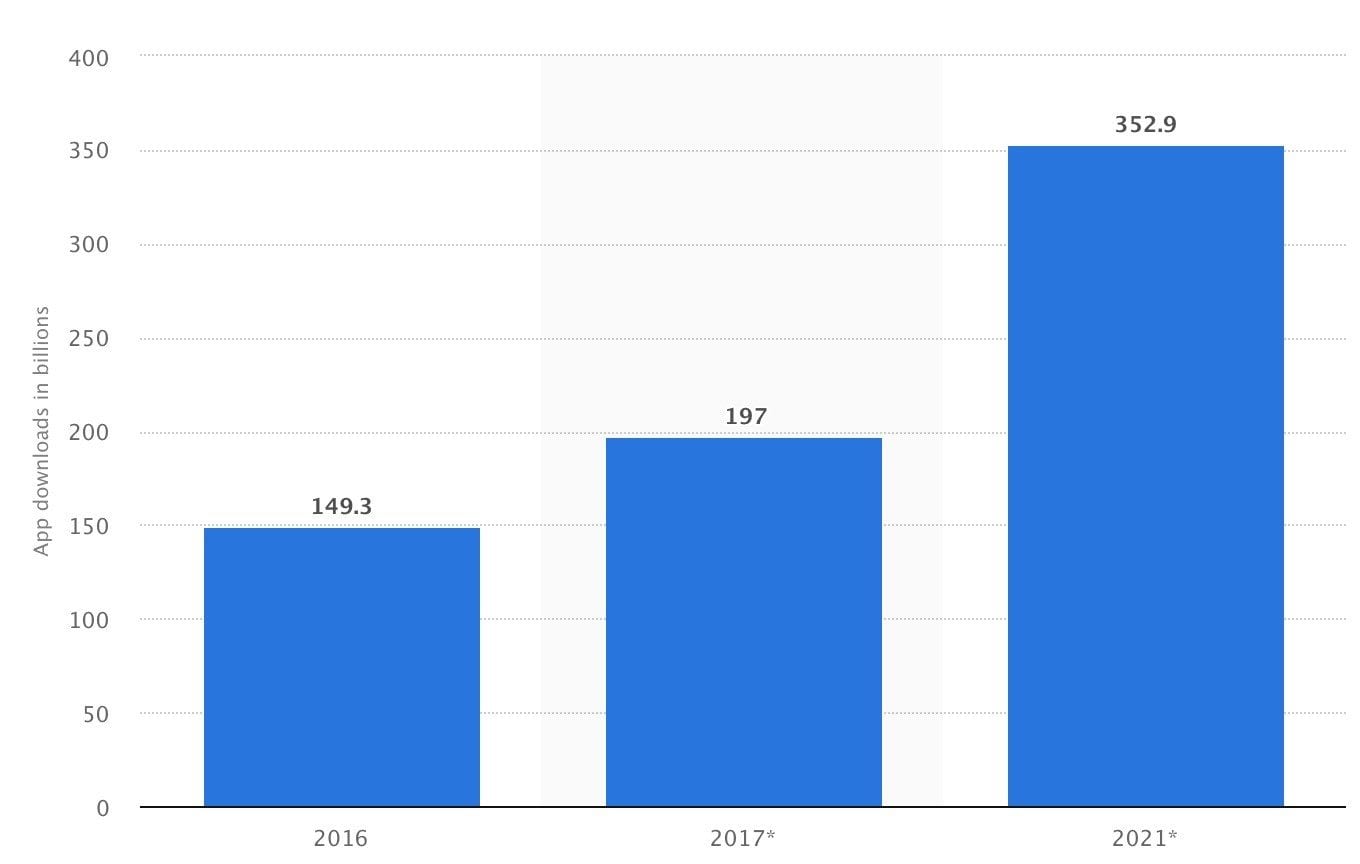
 Exciting stuff? You bet.
Chances are, you may still be relying on your website to fulfill your business goals.
Perhaps the seemingly hefty time and money investment of an app have kept you back.
The truth is, you can easily catch up. A mobile app can be built without too much hassle these days.
This brings us to the critical question:
Just how much money will a custom app set you back?
I’ll tell you right off the bat. There’s no magic formula to determine the cost of building an app.
Platform matters. Complexity matters. Talent matters.
And so do a dozen other factors.
In this article, I’ll get into all the variables that will affect the cost and some exact figures. This way, you’ll know exactly what you’re getting into.
But first…
Exciting stuff? You bet.
Chances are, you may still be relying on your website to fulfill your business goals.
Perhaps the seemingly hefty time and money investment of an app have kept you back.
The truth is, you can easily catch up. A mobile app can be built without too much hassle these days.
This brings us to the critical question:
Just how much money will a custom app set you back?
I’ll tell you right off the bat. There’s no magic formula to determine the cost of building an app.
Platform matters. Complexity matters. Talent matters.
And so do a dozen other factors.
In this article, I’ll get into all the variables that will affect the cost and some exact figures. This way, you’ll know exactly what you’re getting into.
But first…
What is a custom mobile app
Without getting too technical, a mobile app is a type of software program specifically designed to work on a mobile device, like a smartphone or tablet. Are all apps created equal? Not at all. There are three types of apps, each with their benefits and downsides. Native, web, and hybrid. Let’s look at each of these briefly. A web app is a mobile version of a website. Mobile-friendliness is a big deal in the online space. So I’m pretty confident that most businesses (if not all) have web apps. And to be honest, it’s not enough. At least, not from the users perspective. It’s clear that users prefer apps over mobile websites.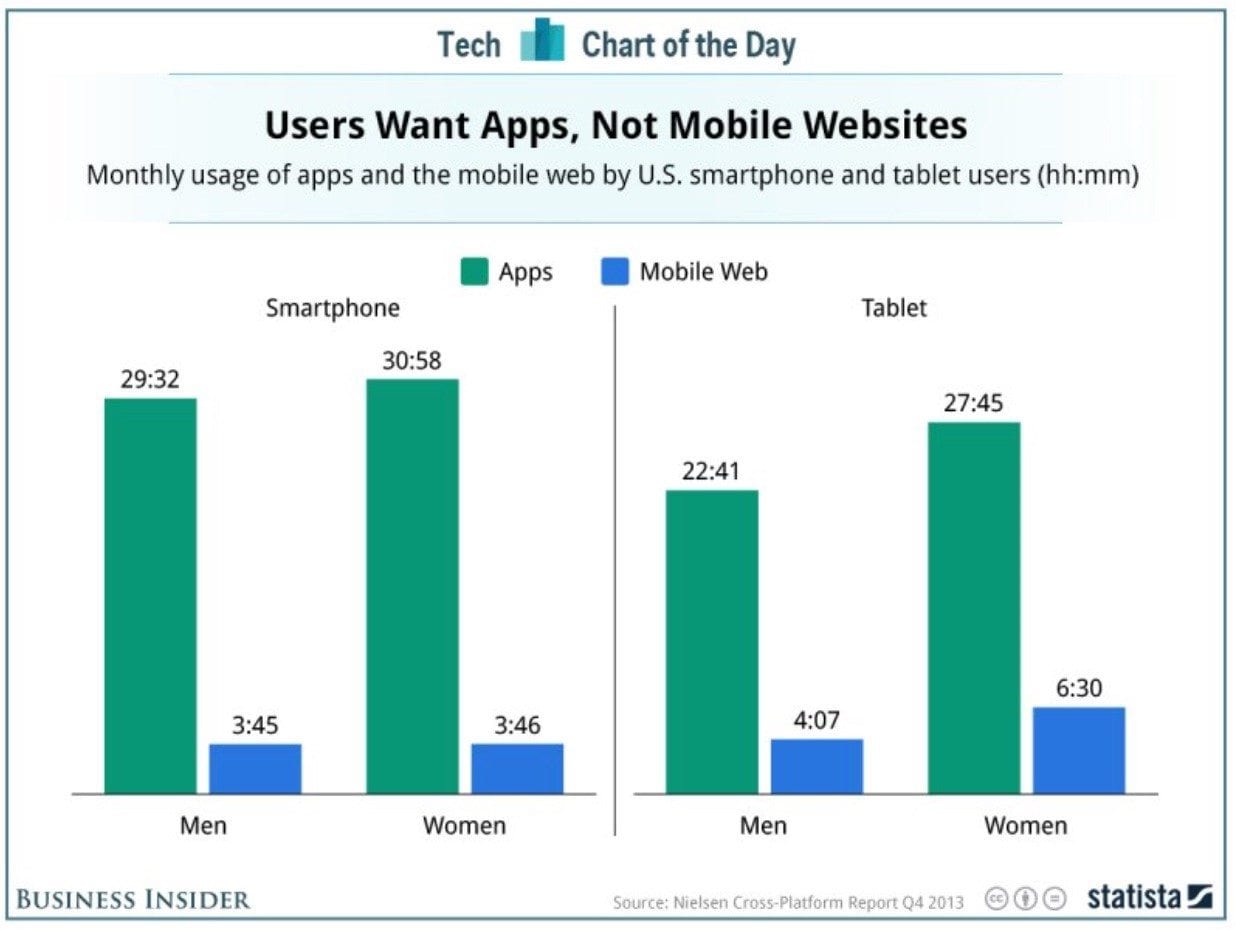 A native app is built for a specific operating system (either IOS or Android) and is downloaded from an app store.
This type of app provides the ultimate user experience which means it’s among the more complex of apps.
The downside? If you want your app to be accessed on different devices, you must create two separate versions.
To top it off, the apps must be approved by the app store.
A hybrid app is much less complicated to develop, and I’ll explain why.
It’s written using only one programming language, can operate on more than one platform, and can function in much the same way as a native app.
Naturally, this type of app is more popular because it’s easier to develop and manage.
Whether you select a native or hybrid app, I can tell you one thing:
It just might be the most game-changing move that you make for your business.
Here’s why.
A native app is built for a specific operating system (either IOS or Android) and is downloaded from an app store.
This type of app provides the ultimate user experience which means it’s among the more complex of apps.
The downside? If you want your app to be accessed on different devices, you must create two separate versions.
To top it off, the apps must be approved by the app store.
A hybrid app is much less complicated to develop, and I’ll explain why.
It’s written using only one programming language, can operate on more than one platform, and can function in much the same way as a native app.
Naturally, this type of app is more popular because it’s easier to develop and manage.
Whether you select a native or hybrid app, I can tell you one thing:
It just might be the most game-changing move that you make for your business.
Here’s why.
Why your business needs a mobile app
You’ve probably heard about all the benefits of having a mobile app. In case you didn’t, let me run over a few of them quickly. 1. Mobile apps increase your value to customers The bottom line? Being mobile-friendly is non-negotiable. An application is the most impactful way to embrace mobile because of it’s sheer value to your customers. The most prominent benefit is access. Today’s customers spend approximately 2 hours and 51 minutes on their mobile devices per day.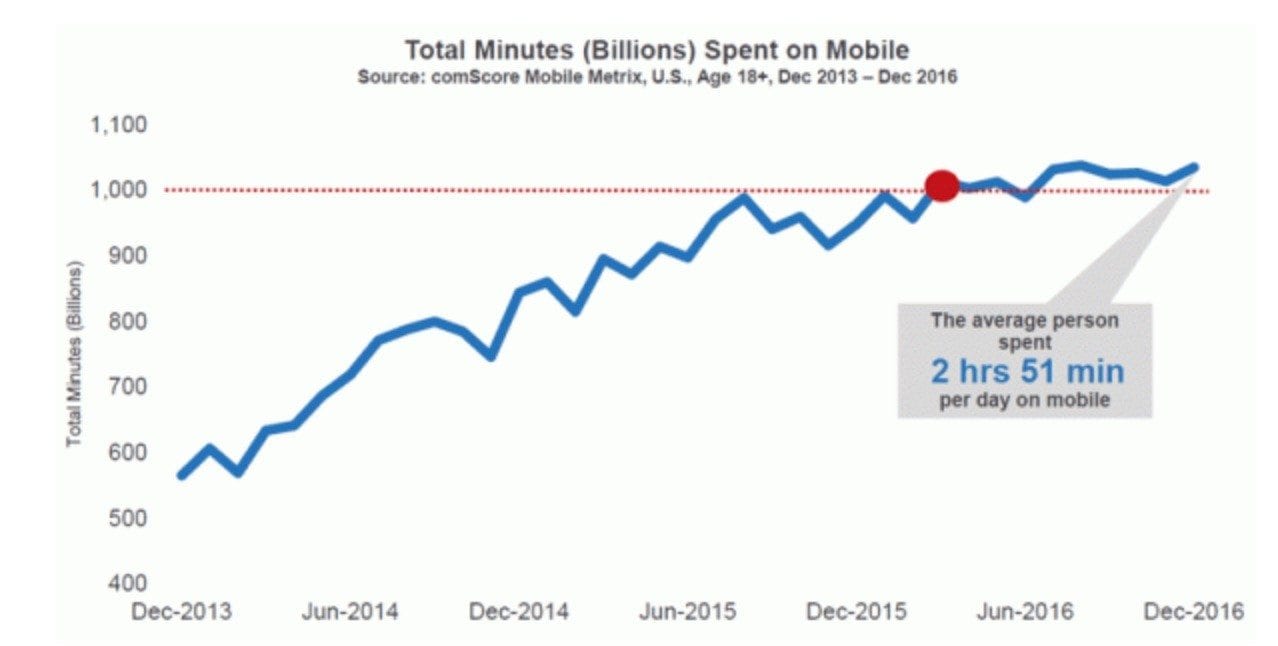 An app gives them a chance to interact with you at any time they please, without the need to switch devices.
This gives you plenty of opportunities to serve customers in a multitude of ways:
An app gives them a chance to interact with you at any time they please, without the need to switch devices.
This gives you plenty of opportunities to serve customers in a multitude of ways:
- To offer exclusive discounts and promotions
- To provide product/service information
- To provide free, valuable information that leads to paid offers
- To provide instant customer support and feedback
- To facilitate rewards programs
 2. Mobile apps increase customer engagement
Value to customers is one thing. But engagement is next level.
One of the biggest advantages of the mobile channel is that it allows to connect and engage with the audience in real-time, develop trusting relationships and guide them through each step of the sales cycle.
The speed, accessibility, and convenience of an app make it ideal for driving action and influencing purchase decisions.
The result? More sales, and bigger profits.
3. Mobile apps increase brand recognition
The more customers see and use your app, the more likely they are to buy from you. Having a prominent branded icon sitting in front of them for almost three hours a day is an excellent way to keep your brand fresh in their minds.
Best of all, a mobile app is highly scalable and has great viral potential. When thousands of people download your app, it builds on your brand equity.
This increase in customer touch points also shortens your sales cycle.
Think about it.
The more opportunity you have to communicate with your potential customers, the easier it is to coach a sales conversion.
4. Mobile apps are another sales channel
An app could give customers the ability to do whatever they would normally on your site but without having to step away from the comfort of their mobile device.
It’s a direct marketing channel which means fewer interruptions and more conversions.
This helps you make more sales at a lower cost of customer acquisition.
5. Mobile apps offer a path to market preeminence
If you want to be positioned as the preeminent solution in your market, you need to increase your competitive value.
A mobile app does just that and for two reasons.
2. Mobile apps increase customer engagement
Value to customers is one thing. But engagement is next level.
One of the biggest advantages of the mobile channel is that it allows to connect and engage with the audience in real-time, develop trusting relationships and guide them through each step of the sales cycle.
The speed, accessibility, and convenience of an app make it ideal for driving action and influencing purchase decisions.
The result? More sales, and bigger profits.
3. Mobile apps increase brand recognition
The more customers see and use your app, the more likely they are to buy from you. Having a prominent branded icon sitting in front of them for almost three hours a day is an excellent way to keep your brand fresh in their minds.
Best of all, a mobile app is highly scalable and has great viral potential. When thousands of people download your app, it builds on your brand equity.
This increase in customer touch points also shortens your sales cycle.
Think about it.
The more opportunity you have to communicate with your potential customers, the easier it is to coach a sales conversion.
4. Mobile apps are another sales channel
An app could give customers the ability to do whatever they would normally on your site but without having to step away from the comfort of their mobile device.
It’s a direct marketing channel which means fewer interruptions and more conversions.
This helps you make more sales at a lower cost of customer acquisition.
5. Mobile apps offer a path to market preeminence
If you want to be positioned as the preeminent solution in your market, you need to increase your competitive value.
A mobile app does just that and for two reasons.
- The more value you provide to customers, the more you stand out as the superior solution to their problems.
- As your customer acquisition increases, you get to capture a larger share of your market.
What makes a great mobile app
Not all apps are successful. But those that make an impact have a few qualities in common. Let’s look at a few of the instrumental ones. 1. You need a stellar idea that serves an unmet need Your app should have utility. The way to secure that is to ensure that it solves a particular problem and market need. There are three things to consider to find a golden opportunity: The existing app landscape, the needs of your market, and what you can offer. Audit the existing app landscape. Here’s what to look for.- Check app stores for top apps. What do they all have in common? Also look at underperforming apps. Why do they miss the mark?
- Pinpoint both direct and indirect competitors. How can you differentiate yourself?
- Is there any need that is not being met right now? You may be able to get the first mover’s advantage.
- Purchase and test out applications. Note anything that helps or hinders the user experience.
- Look at app reviews. Pay special attention to the poor reviews.
- How are your features and functions laid out?
- Does the information architecture make it easy for users to understand the environment of the app and how to navigate it?
- Is there a steep learning curve or is it intuitive to use?
Factors that Affects App Development Costs
Mobile applications come in a variety of sizes, shapes, colors, and functionalities. There are a TON of moving parts at play, and every single one of them impacts the cost. The primary factors influencing development costs include:- Business Model
- Platform
- Functionality
- Design
- Developer
Business Model
The quest to build an app starts with your business plan and your business model for bringing in revenue. This model will be THE most important driving force in the costs required to build your app. When creating your app, you are looking at your business plan and asking “what’s needed?”- Where are your target customers spending their time?
- What devices and platforms are they using?
- How will you monetize the app?
- Will it be free to download?
- Will you sell it for a fixed price?
- Will you earn money via in-app purchases?
- Will your app be used to advertise your own products or will 3rd party ads be the monetization method?
- Does your audience care more about cutting-edge visual design or practical functionality?
- Is the experience you are looking to provide based on access to information or a unique experience?
- What you need to connect with customers
- The price point of your app
- Your monetization strategy
- Paid apps
- Free apps
- Your development costs: Naturally, you want to be able to recoup your costs to make a return on your investment.
- Your market positioning: Basic, average, or high end? The way you position your app will depend on what features and functionality that you offer as well as how it compares to the other apps out there.
- Market’s willingness to pay: You should be able to market your app and generate sales from your ideal users.
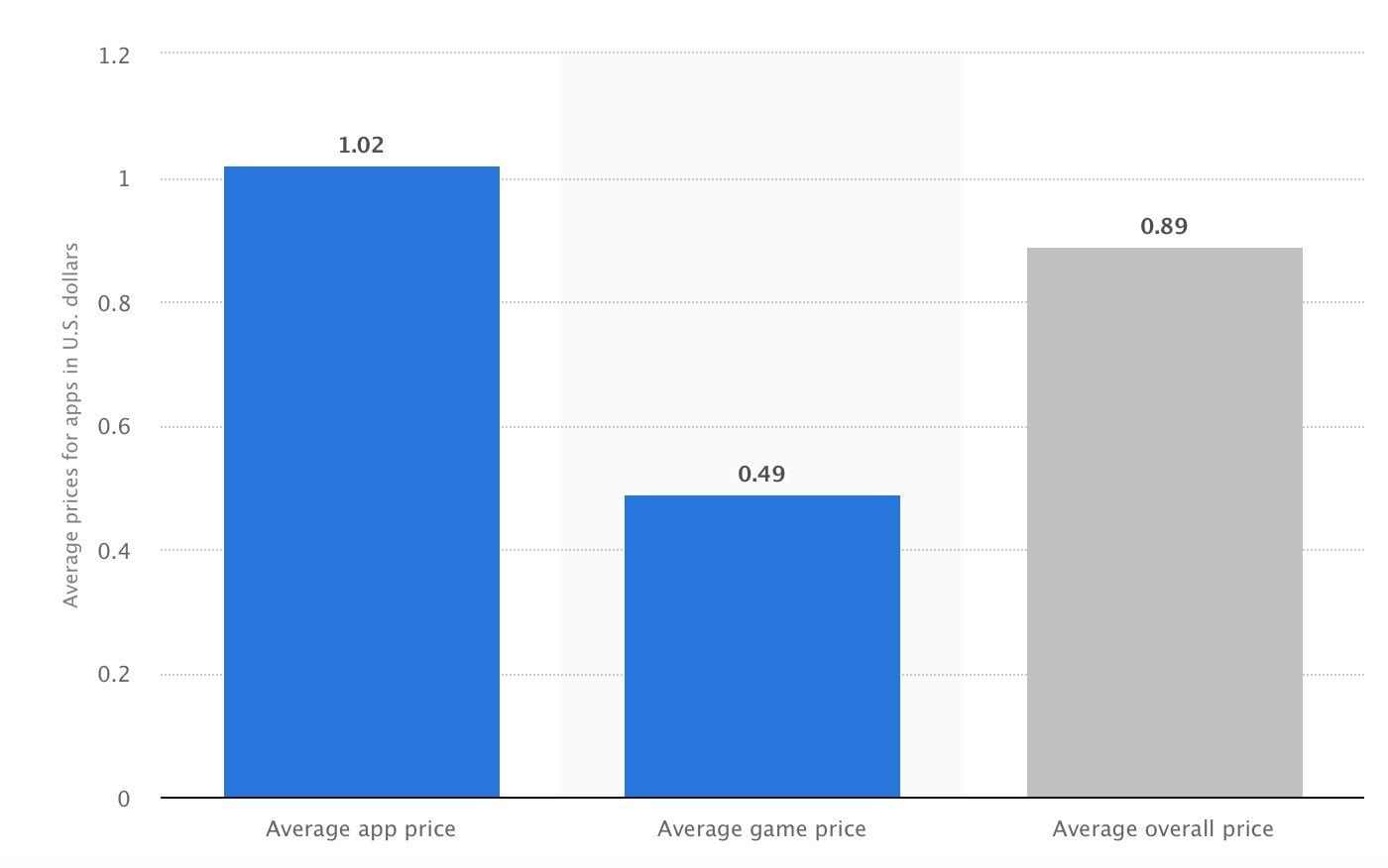 Here’s a step-by-step play to decide where you fall on that scale.
Step #1: Identify the demographics and psychographics of your ideal user.
Finding your niche and creating buyer personas is super important at this stage. It will help you determine your positioning and ultimately, your ideal price point.
Take note of black and white demographics like age, gender, occupation, etc.
Then, get into the grey matters. What do they believe and value? What are their behaviors and how does that impact the way they make purchase decisions?
Step #2: Conduct a competitive analysis.
Chances are, your competitors have gone through the hoops of figuring out an ideal price point for similar apps.
What’s the average price point for your niche?
Step #3: Identify ideal prospective buyers.
After you’ve created your buyer personas, find a sizeable of group of people who fit the criteria.
Survey them and to find out if there’s willingness to pay for your app and at what price.
Step #5: Find the middle ground between what customers say they’re willing to pay and what’s profitable for you.
While customer feedback is everything, your profit margins are also important so don’t neglect that in setting your price.
Step #6: Test your pricing with the target market.
A sale is the ultimate validation of your idea and revenue model. So, market your app and sell it.
Now, let’s look at free apps.
These have a bit more indirect revenue model as you’re not charging for the app.
So what’s the value of a free app?
Several things.
Here’s a step-by-step play to decide where you fall on that scale.
Step #1: Identify the demographics and psychographics of your ideal user.
Finding your niche and creating buyer personas is super important at this stage. It will help you determine your positioning and ultimately, your ideal price point.
Take note of black and white demographics like age, gender, occupation, etc.
Then, get into the grey matters. What do they believe and value? What are their behaviors and how does that impact the way they make purchase decisions?
Step #2: Conduct a competitive analysis.
Chances are, your competitors have gone through the hoops of figuring out an ideal price point for similar apps.
What’s the average price point for your niche?
Step #3: Identify ideal prospective buyers.
After you’ve created your buyer personas, find a sizeable of group of people who fit the criteria.
Survey them and to find out if there’s willingness to pay for your app and at what price.
Step #5: Find the middle ground between what customers say they’re willing to pay and what’s profitable for you.
While customer feedback is everything, your profit margins are also important so don’t neglect that in setting your price.
Step #6: Test your pricing with the target market.
A sale is the ultimate validation of your idea and revenue model. So, market your app and sell it.
Now, let’s look at free apps.
These have a bit more indirect revenue model as you’re not charging for the app.
So what’s the value of a free app?
Several things.
- To drive in-app purchase
- To generate income from advertising and affiliate marketing
- To expand the value of an existing product
- To create a user base that you can later sell to
- To build brand equity
Platform
You’ve determined what your app needs to do. You’ve pinpointed who it needs to reach. And you know exactly how it will be monetized. It’s time to decide on a platform for its creation. You can build an app that is accessible on many devices: iOS (iPhone and iPad), Android, Windows Phone, the Web or all together. Depending on which platform you choose, the price of its development will vary. When we are talking about native mobile apps, however, the typical options are either Android or Apple. As you can imagine, it’s not an easy choice. Android and Apple users are fundamentally different. So why not go for both? If you’ve got the money, go for it. Just know that you’ll have to create two different versions of your app for each platform. However if you build your app with BuildFire, your app would support both iOS and Android while being maintained by one simple to use dashboard. Now, back to the question at hand: Which should you pick? To help you decide, let’s look at the pros and cons of each platform. Pros of IOS Apps- Quicker and cheaper to build than Android Apps. This is why many companies opt to launch iOS-only apps initially and then expand to Android later if the iOS version proves to be successful.
- More engaged and free-spending user base, so they are more likely to pay more for an app.
- The customer lifetime value of Apple users is higher than Android users.
- Stricter guidelines and more quality control mean a higher quality app.
- Apple’s software requirements are in constant flux which means your app needs to be frequently updated. Regular maintenance can increase the costs.
- Your app has to be approved by the app store.
- Android users dominate mobile web traffic.
- Android has numerical superiority which means wider market penetration and reach, particularly in emerging markets.
- The cost per install for an Android app is WAY less than IOS.
- There aren’t as many updates as IOS.
- Android users spend less.
- Takes more time to develop. On average, leading developers report Android apps requiring 2-3 times longer to develop than the same app in iOS.
- More fragmented devices. There are way more models of Android phones than there are apple phones. Features like screen size and resolution play a part in development costs.
IOS Vs Android: Which is better?
Both platforms offer great accessibility. It comes down to two key things.- The tradeoffs you’re willing to make
- Your target users
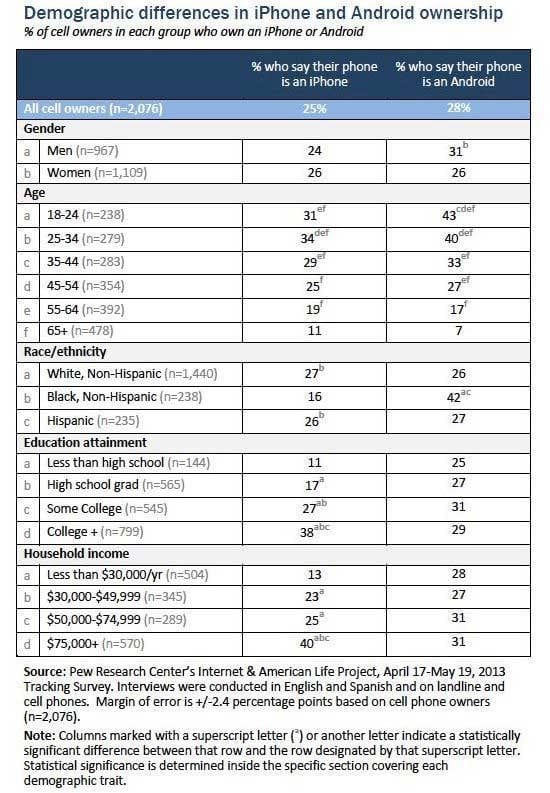 Or, for example, if your target market is located in Asia, Africa, or South America, Android is the clear winner.
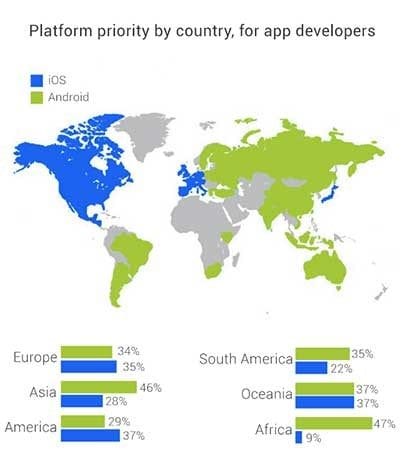 All things equal, it’s best to make your platform decision based on your target market, so the accessibility of both platforms is fortunate. Costs for both are a lot closer than they used to be, although as we mentioned before, Android still takes a bit longer to develop on average, which usually translates to slightly higher costs.
If you decide to launch to both platforms simultaneously without using a development platform such as BuildFire, you can expect to pay nearly double what you would pay to develop on a single platform. There will be some crossover that lower the cost, but you’ll pay at least 75% more to launch to both platforms.
For platform-specific directions, check out the following guides:
All things equal, it’s best to make your platform decision based on your target market, so the accessibility of both platforms is fortunate. Costs for both are a lot closer than they used to be, although as we mentioned before, Android still takes a bit longer to develop on average, which usually translates to slightly higher costs.
If you decide to launch to both platforms simultaneously without using a development platform such as BuildFire, you can expect to pay nearly double what you would pay to develop on a single platform. There will be some crossover that lower the cost, but you’ll pay at least 75% more to launch to both platforms.
For platform-specific directions, check out the following guides:
- How To Optimize Your Google Play Store App Listing Page
- The Ultimate Guide To Apple App Store Optimization
App Type and Functionality
Now that you’ve decided on the platform, it’s time to actually dive into building the app. The type of app you’re aiming to develop and its technical specifications will be the single biggest factor in its cost. Apps continue to become more and more dynamic, and there is virtually no limit to what can be produced. For this guide, we’ve broken app types down into the following four categories:- Table/List
- Database
- Dynamic
- Games
- Login: Most apps have this feature. You can have an email login which opens up another marketing channel. You can also opt for social login.
- Personal profiles: User profiles are another standard feature that you can implement. It adds a personal touch and enhances the user experience.
- In-app purchases: This is a monetization strategy where you offer products, services, subscriptions, premium features, etc. You’d have to add that feature to your app to have that functionality.
- Payments integration: To enable in-app purchases, you’d need to integrate with a payment processor.
- Customization: You can enable users to control the aesthetics of the app.
- Search: Search functionality is an excellent way to enhance the user experience. It helps users to navigate the app with as little friction as possible. In turn, it boosts engagement.
- Connectivity: You can offer synchronization between devices as well as integrations with other platforms. Social integration is among the more common features with massive value. It boosts the viral potential of your app.
- Geolocation: This adds context to your user experience as you collect information about user’s geography. With some apps, for example, restaurant apps, dating apps, and travel apps, this is an essential feature.
- Push notifications: This one is a no-brainer if you want users to be updated about what’s happening on the app.
- Chat/messaging: If you want users to be able to communicate with each other, this is a key feature.
- Ratings/review system: Want users to have the option of rating or reviewing your services or content? This is a super useful feature for that purpose.
Design
When it comes to app development, the design can matter as much as the app’s functionality. There are several pillars to design. Graphic/Visual Design Customers buy with their eyes. A catchy icon can attract their attention. A breathtaking design makes them want to use the app more and more. (In fact, many app designers create apps to be so visually pleasing that they intentionally prevent users from putting their devices down.) To look great, your app will need an icon, a splash screen, interface elements like tabs, buttons and many other design features that entice users to engage with it. But a great design typically comes at a cost. While you can find winners and duds at any point in the prices spectrum, there is usually an obvious difference between a $300 icon and its $1,500 counterpart. If you want compelling design to work in your favor, you should be prepared to shell out some serious cash for a proven design team with an eye-catching portfolio. At this point, it becomes a matter of budgeting and prioritizing based on your target audience. If your intended market is very design-sensitive, it’s probably better to lower your ambitions in the functionality department and divert that money towards high-end design. If your audience is far more UX or info-driven, you will still want to ensure that your design is competitive with the market standard, but you don’t need to shell out for something cutting edge in the looks department. This brings us to the next pillar of design. User interface and user experience design Beautiful graphic design is important. But user experience (UX) is everything. It’s also an aspect that is seldom thought about, so you have a real chance to stand out here. This pillar of design refers to the layout of the features as well as how users interact with the app. The UX design will determine how successfully your app meets its goals. Everything from engagement and conversions to how “sticky” the app is depends on your ability to provide a stellar experience to users. So, it’s up to you to select the design features that work for you and a design expert to execute them. Naturally, this factors into the app development costs and more specifically, which type of developer you will hire.Development
Everything we have described thus far has dealt with the app itself and how you want to create and market it. The business model driving your decisions, the platform you choose, the functionality you need, and level of design you require are all baked in costs that can’t really be manipulated. Let’s call these the “objective” costs of mobile app development. Unfortunately, there is also a “subjective” side to app development costs, and this side deals with who you hire to design your app and what they charge. There are 3 basic categories of developers you can choose from:- Freelancer
- Small agency
- Large agency
- A freelance marketplace
- Google search
- Your personal network
- Local colleges and universities
- Design communities
Hidden costs of developing an app
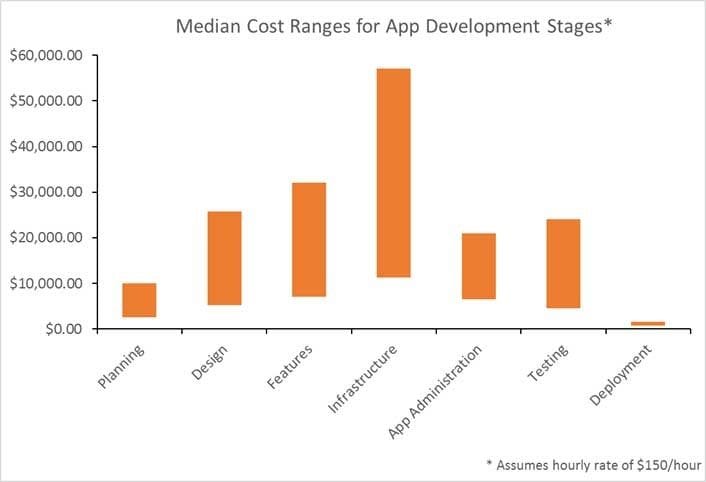
The bottom line? From ideation to development, you’re going to have to spend a good heap of money for a solid app. But that’s just the beginning. Take a look at this chart: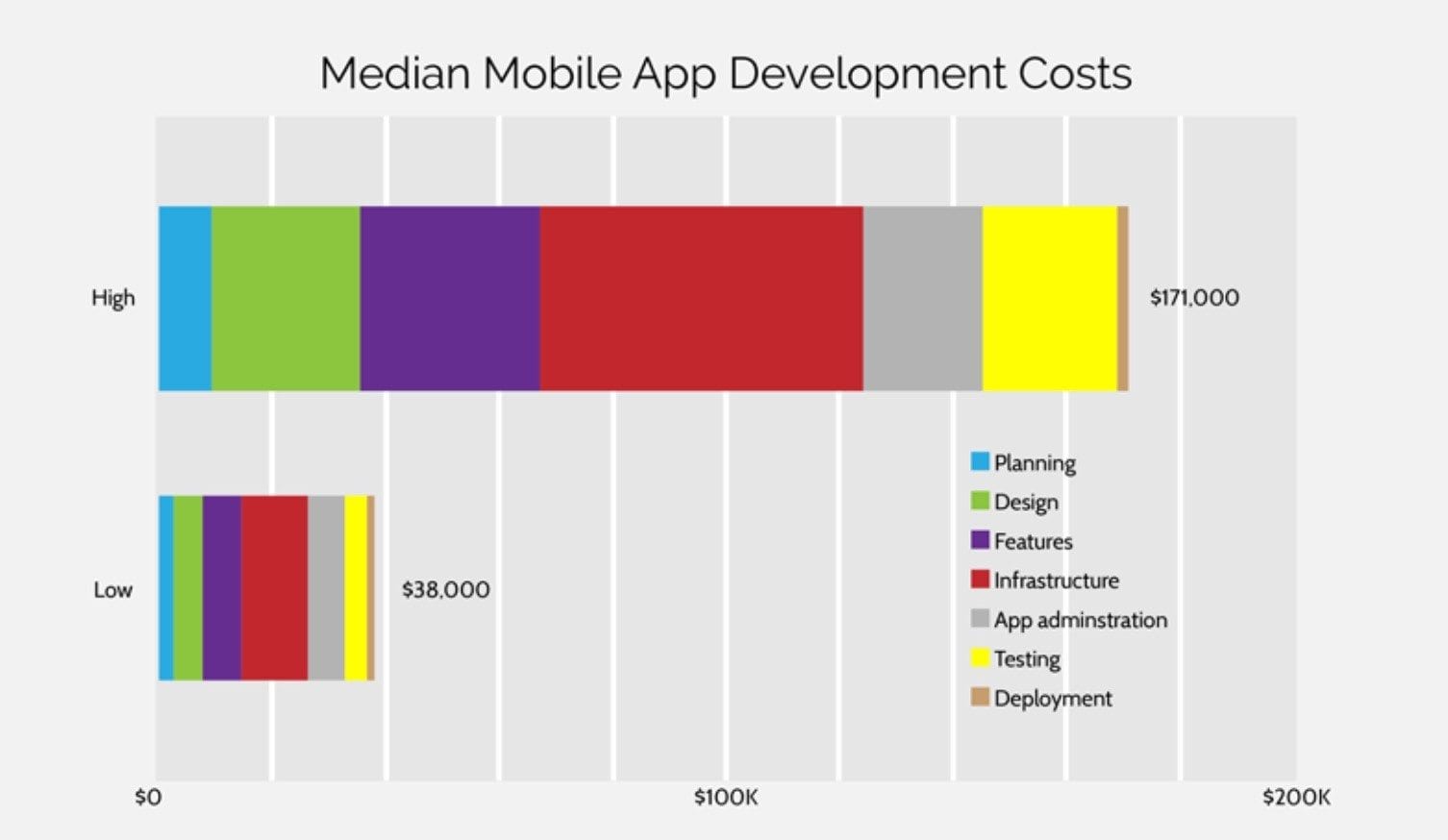 As you can see, factors that go way beyond development, like app administration and testing, weigh on the overall cost.
Let’s look at some of the expenses that you are likely to run into.
Testing your app
You want to ensure that your app has no bugs and glitches. Particularly if you have to submit it to the app store for approval, it will save you some heartache.
That’s not to say that you have to wait until the end to test your app in one fell swoop. You can keep testing and reiterate as you go.
The important thing is that you allow your beta-testers enough time with the app so they can truly experience it. That’s the only way to pinpoint the imperfections.
It’s not so much the testing that will cost you, but fixing the issues you are likely to come across.
Protecting your intellectual property
I get it – legal stuff can make most people squeamish. But it is super important that your intellectual property is protected.
If not, your application can get into the hands of competitors who can outcompete you on price.
Let’s look at the varying layers of IP protection.
As you can see, factors that go way beyond development, like app administration and testing, weigh on the overall cost.
Let’s look at some of the expenses that you are likely to run into.
Testing your app
You want to ensure that your app has no bugs and glitches. Particularly if you have to submit it to the app store for approval, it will save you some heartache.
That’s not to say that you have to wait until the end to test your app in one fell swoop. You can keep testing and reiterate as you go.
The important thing is that you allow your beta-testers enough time with the app so they can truly experience it. That’s the only way to pinpoint the imperfections.
It’s not so much the testing that will cost you, but fixing the issues you are likely to come across.
Protecting your intellectual property
I get it – legal stuff can make most people squeamish. But it is super important that your intellectual property is protected.
If not, your application can get into the hands of competitors who can outcompete you on price.
Let’s look at the varying layers of IP protection.
- Copyright: You can use this to protect the text, visuals, and multimedia from being plagiarized.
- Patents: A patent-owner has the right to prevent anyone from duplicating or profiting from his intellectual property. If your mobile app is protectable, you should definitely get a patent to defend your ideas.
- Trademark: a patent protects the invention, but a trademark protects the name. If you’ve got a name that sticks, it’s a good idea to protect that.
The total investment of building a mobile app
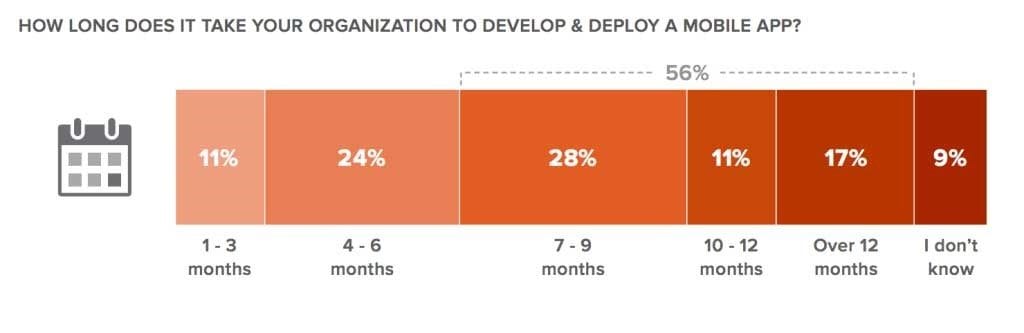
So how much is this all going to cost you? It comes down to app complexity, features, human capital (development team) and platform. Frankly, it largely depends on who you ask. Development projects are notorious for having a fairly ridiculous range of potential pricing. Present the same project to 5 different developers, and you are guaranteed to get wildly different pricing from each one. That’s no exaggeration. According to the report by Kinvey, organizations spend an average of around $270k to develop an app.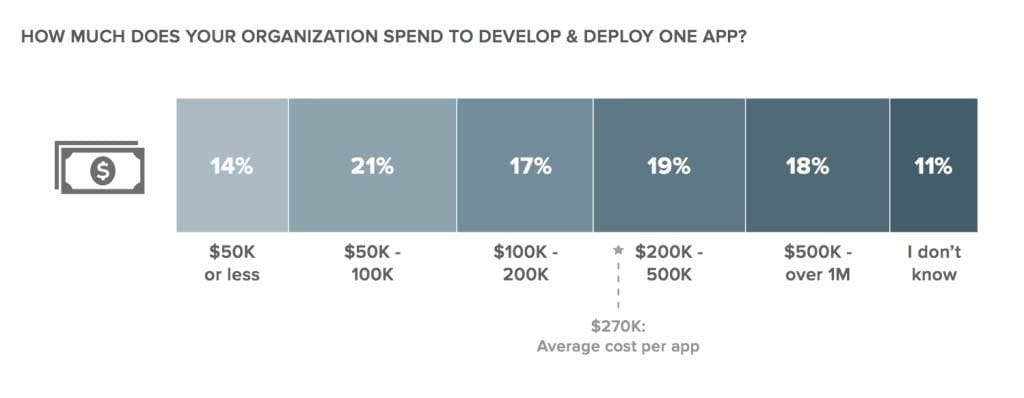 And the whole process typically takes the majority of organizations around a year from getting the go-ahead to launching a complete app.
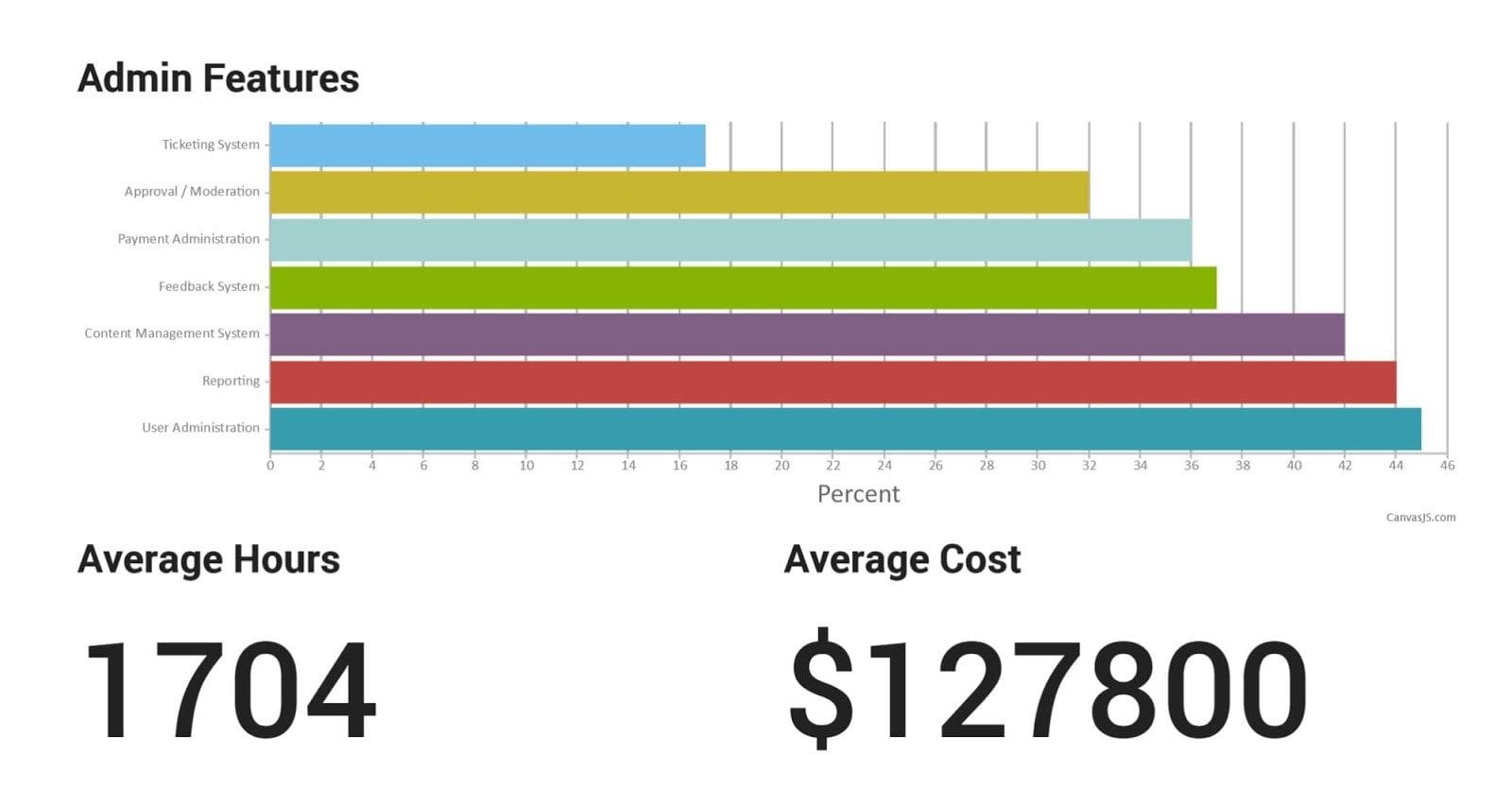
 Otreva, a mobile and app development company offers statistics indicating the average cost for a full-blown business app to be in a region of $130k.
 In a third opinion, after surveying representatives from 12 leading mobile development companies, Clutch established the cost of building an iOS only app to be between $38,000 for low functionality to $171,000 for a high spec app.
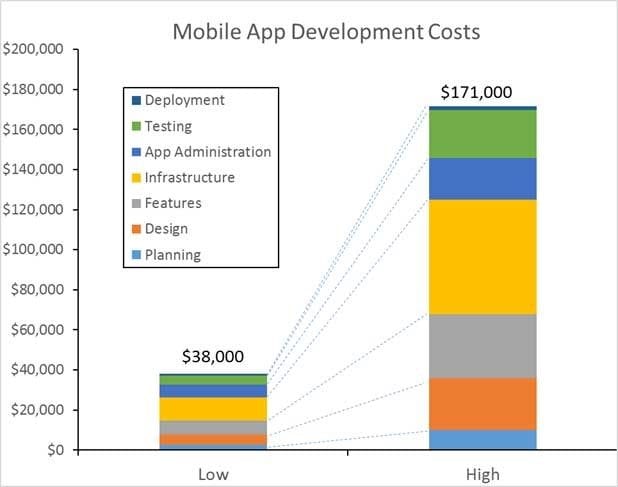 Here’s the breakdown of costs for different stages of the development cycle:
 And finally, OSX Daily reports development costs for a simple iPad app to be in a region of $3,000 – 8,000. A more complex app (typically developed by brands) can cost anything between $50,000 – $150,000.
As you can see, it really depends on who you ask. But all in all, the above examples indicate that if you’re looking to develop a mobile app for your business, you typically have to be prepared to spend some serious cash on development.
Counting up the actual development cost of your desired app
Given the numerous factors that affect app development, it’s understandable that finding an “average cost” is a tall order.
Fortunately, it doesn’t matter.
An average cost will do you no good. Your desired app will have a unique list of requirements, most of which will have a somewhat consistent method for pricing.
Understanding this, many mobile app development companies built cost calculators that could help you assess how much it would cost to develop your app.
Here’s a couple of them you can check out to get a feel for your unique project’s pricing
These will obviously be estimates and won’t account for a given developer’s specific method for charging, but they will give you a good ballpark range of what to expect.
BuildFire’s Mobile App Building Calculator
We created a calculator to show you how much traditional mobile app development companies might charge to build your app:
App cost calculator.
A very thorough app that allows you to provide a host of details for a more accurate estimate.
So you’ve gotten some concrete numbers as to what your app will cost.
Now what?
How are you going to afford to develop and launch it?
And finally, OSX Daily reports development costs for a simple iPad app to be in a region of $3,000 – 8,000. A more complex app (typically developed by brands) can cost anything between $50,000 – $150,000.
As you can see, it really depends on who you ask. But all in all, the above examples indicate that if you’re looking to develop a mobile app for your business, you typically have to be prepared to spend some serious cash on development.
Counting up the actual development cost of your desired app
Given the numerous factors that affect app development, it’s understandable that finding an “average cost” is a tall order.
Fortunately, it doesn’t matter.
An average cost will do you no good. Your desired app will have a unique list of requirements, most of which will have a somewhat consistent method for pricing.
Understanding this, many mobile app development companies built cost calculators that could help you assess how much it would cost to develop your app.
Here’s a couple of them you can check out to get a feel for your unique project’s pricing
These will obviously be estimates and won’t account for a given developer’s specific method for charging, but they will give you a good ballpark range of what to expect.
BuildFire’s Mobile App Building Calculator
We created a calculator to show you how much traditional mobile app development companies might charge to build your app:
App cost calculator.
A very thorough app that allows you to provide a host of details for a more accurate estimate.
So you’ve gotten some concrete numbers as to what your app will cost.
Now what?
How are you going to afford to develop and launch it?
Strategies for funding your app
An app is a business. It means you’ve got options for funding. If you have access to the money, you can certainly self-fund. It will save you lots of time and effort. You have the option of a small loan if the costs aren’t astronomical. Also, if you’re capable of writing the code and going through all the other hoops yourself, that’s a solid option. But the reality is, most people aren’t in a position to finance an app themselves. A quality app has a steep investment attached to it, as you’ve seen. The solution? Investors! There’s money out there. You only need to find the right investors and communicate your idea in a way that they are compelled to bet on you. Best of all, the mobile market is a very attractive one for investors. So how do you get on the radar of the right “money” people? Understand that investors are looking for a return on their investment above all else. That’s why the first thing we covered was your business model. It’s going to help you put together a persuasive proposal so investors can be confident that they’ll get their money back in good time. Know what you are willing to trade for the investment. That either involves giving up equity or agreeing to some royalty-based repayment strategy. You have to pick what’s comfortable for you and what works for your business model. You may also have to make some tradeoffs. Let’s say that an investor brings a particular skill set and experience that he’s willing to lend you for the growth of your business. That may cost you some more equity. Royalty deals can be tricky particularly in the initial stage of your business. Cash is oxygen. You don’t want to be sucking the life out of your business while it’s growing. What type of investor are you looking for? You can’t opt for silent investors, angel investors, venture capitalists, etc. Understand what you are looking for in an investor. Do you want just a money man or a strategic partner? Now: It’s quite possible that you are not prepared to go either route. Self-funding is not possible. Investors are not on your game plan. So, what’s the next move?What if you can’t afford to develop an app?
There’s no denying it. Developing a mobile app can be incredibly expensive. But when you think of what it can do to propel your business, it’s hard to give up the idea of building your own app. The truth? Even if you don’t have the budget to develop it… Even if your idea is so grand and complex… A mobile app is within your reach. The answer (and one that thousands of businesses have begun using) is to use a custom app builder. App builders like BuildFire allow you to create a mobile app for your business. No upfront cost. No development expertise. For a relatively low monthly fee, you can use your app to serve your business needs. The simplest of information based apps will cost a minimum of $25,000 when sourced from a small app agency. But with a platform like BuildFire? You can create, publish, and utilize the exact same app for under $100 per month. No kidding. If you are interested in skipping the hassles of upfront development, click here to build your own app for free.Frequently Asked Questions
How can I reduce the cost of app development?
Reducing app development costs can be achieved by opting for hybrid apps, which are easier to develop and manage.
Is it better to build a native or hybrid app?
Choosing between native and hybrid apps depends on your specific needs. Native apps offer a superior user experience, while hybrid apps are more cost-effective and easier to develop.
What are the ongoing costs after launching an app?
After launching an app, ongoing costs may include updates, maintenance, and marketing. It’s important to budget for these to ensure your app remains competitive and functional.
How long does it take to develop a mobile app?
The development time for a mobile app can vary widely based on its complexity and features. Simple apps may take a few months, while more complex ones can take a year or more.