

Coming up with a unique app concept isn’t always easy, especially in a world where technology evolves faster than ever.
That’s why we created this guide of the best app ideas in 2026: to spark inspiration and help you discover mobile app ideas that are primed for growth, engagement, and revenue this year and beyond.
We’ve analyzed emerging business trends, tech innovations, and user behaviors to identify the app concepts with the most potential in 2026. Whether you’re an entrepreneur, investor, or developer, these ideas can serve as the starting point for your next successful app venture.
Key takeaways
- Emerging Tech: AI-powered assistants and Augmented Reality (AR) shopping are set to dominate the 2026 app landscape.
- Niche Marketplaces: High-growth opportunities exist in specific service areas like parking finders, pet sitting, and food donation.
- Wellness Focus: Mental health, mood monitoring, and virtual fitness continue to be high-revenue niches.
- B2B Solutions: Internal employee communication and disaster management apps are essential for modern organizational efficiency.
- Monetization: Subscription models for exclusive content and commission-based marketplaces remain the most viable revenue streams.
Coming up with the right idea is the first step of any mobile app development project. These ideas are great starting points for any entrepreneur or investor that wants to get involved in app development.
Explore the most profitable app niches for the upcoming year:
- Artificial Intelligence: AI-powered personal assistants and automated content generators.
- On-Demand Services: Niche delivery apps and professional service marketplaces.
- Health & Fitness: Mental health trackers and virtual personal training platforms.
- E-commerce: Augmented reality (AR) shopping experiences and social commerce tools.
Real estate management app
You can create a mobile app to manage your real estate business.
Use your real estate agent app to:
- Schedule appointments
- Upload new listings
- Add photos and videos of properties
- Be a contact management solution
For property managers, the app can serve as a place to collect rent, manage applications, gather feedback, and handle all maintenance requests.
If you’re in this industry and on the fence about building an app, you can refer to our guide on the top reasons why you need a real estate app for more information.
Parking spot finder app
Parking is a huge commodity in major cities and tourist destinations. Creating an app that allows users to find a parking space using their mobile devices can be a huge winner.
There are lots of different ways you can make this work.
One creative idea is a parking space marketplace app, where people who own parking spaces can rent them out by the hour, day, week, or month. Alternatively, you can direct app users to both free and paid parking lots in the area.
You can make money by taking a commission on each transaction or charging a fee to list a parking space on the platform.
Church and religious community app
Even churches and religious organizations are going mobile.
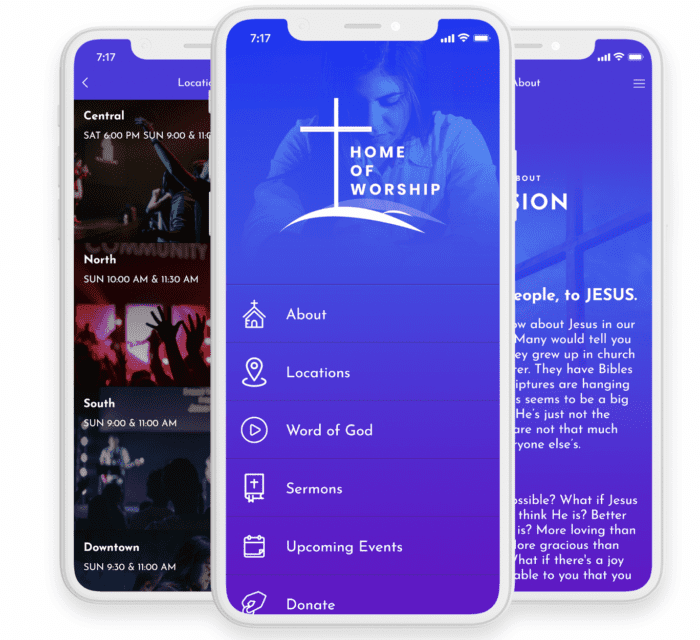
You can create a church app to deliver daily inspiration to your community, collect donations, manage upcoming events, and share your schedule. These apps are great for anyone that wants to upload videos of previous sermons so people can virtually attend church from anywhere.
Check out our guide on how to build a church app and click here to learn more about Buildfire’s church app builder.
Food donation app
According to Feeding America, more than 48 million Americans rely on food assistance programs for help, and 1 in 5 children in the US are food insecure.
Such a high demand for food donations requires modern technology to facilitate the process.
Your mobile app development project can focus on this trend and look for ways to improve the way donated foods are collected and distributed. You can partner with existing non-profits and food banks to get started or create one of your own.
Employee communication app
Internal workplace communication is the key to success in any organization.
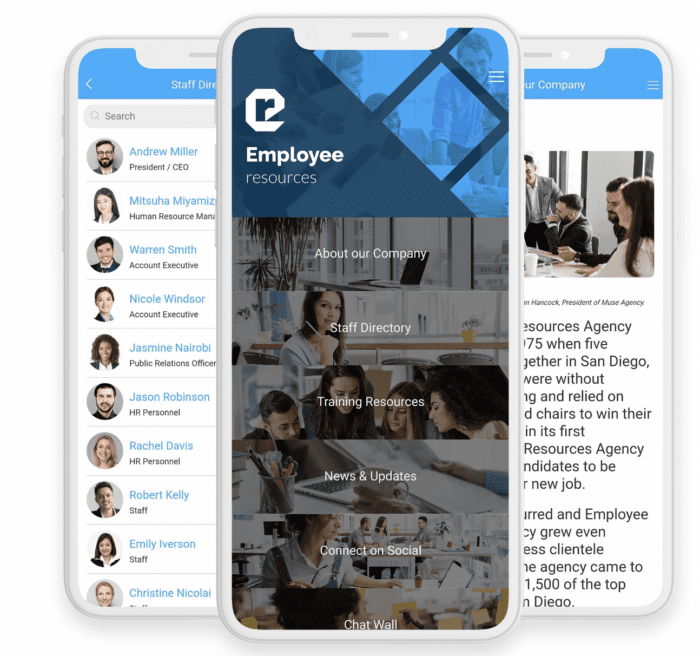
Employee apps help businesses with human resources initiatives, safety and compliance, employee training, benefits administration, and more. You can even use an employee self-service app for your staff to check pay stubs on their phones.
Push notifications make it easy for organizations to notify employees about upcoming events and urgent scheduling changes. These such apps even work for crisis and emergency communication.
Check out our guide on the top benefits of an employee communication app to learn more. Then you can use Buildfire’s workforce app builder to get started.
)
Education app
There are dozens of use cases for educational apps.
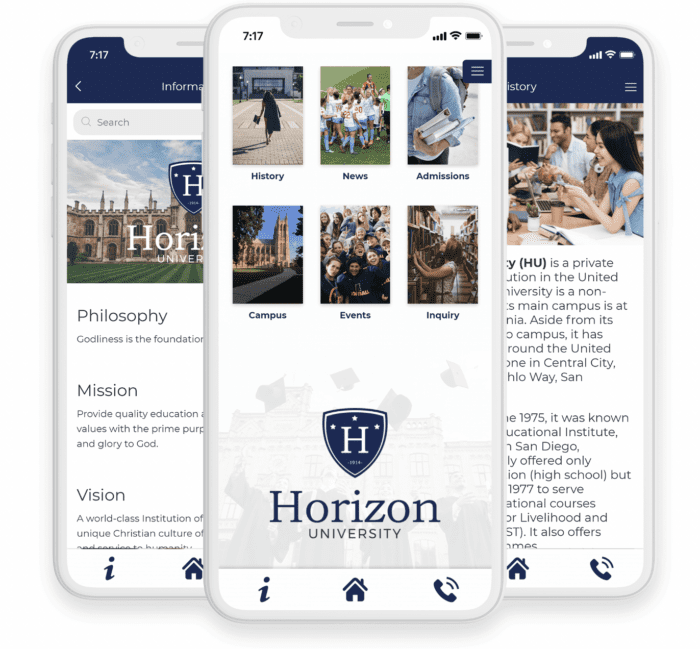
You can create an app for schools and universities, language learning app, or use apps to teach users new skills.
E-learning is trending upward. Apps can be used to facilitate tests, share video instructions, access documents and learning materials, and create a digital community for learners.
Virtual shopping app
Mobile shopping has become the new normal.
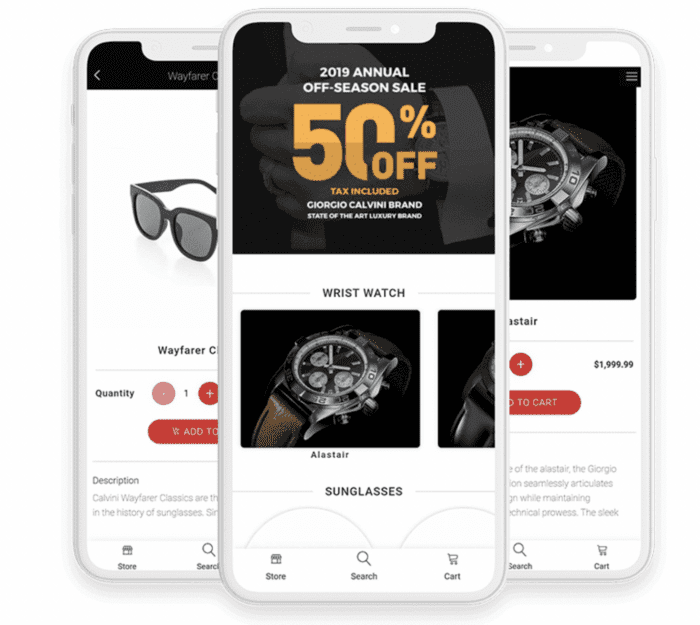
If you currently have a retail store or ecommerce site, you need to create a mobile app to improve the user experience. This will help you increase sales and reduce cart abandonment rates.
Check out our in-depth guide on the top reasons why you need an ecommerce app. You can also click here to learn more about the Buildfire ecommerce app builder.
Voice translation app
There are about 430 languages spoken in the United States alone. This has created a significant demand for voice translators.
You can create an app that records someone speaking, then automatically transcribes that recording in the user’s desired language.
This type of app can help break down language barriers in the workplace, for tourism and international travel, and even teach people how to speak a new language.
A voice translation app can help users travel abroad and feel comfortable enough to communicate with others in a language that they’ve never spoken before. There are countless ways to market this idea.
Content and media app
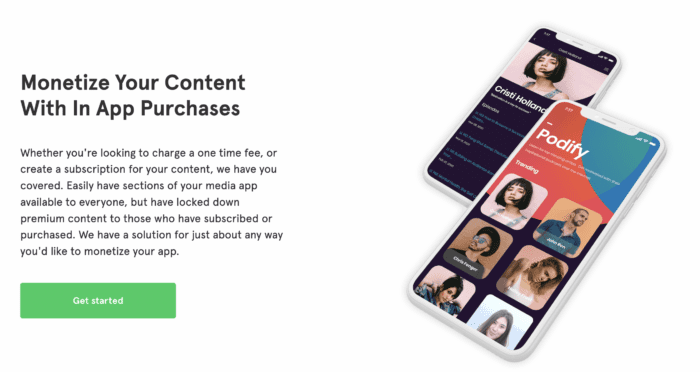
Content creators that already have a presence on YouTube, social media, and other platforms can scale to create a standalone mobile app for their brands.
This is an excellent way to produce and distribute exclusive blogs, videos, and podcasts.
You can either repurpose your existing content from all channels into a single app for your fans. Or you can use your app to promote premium content that isn’t available anywhere else. A combination of these two methods is also a viable business model.
This is a great way to turn your content into revenue by charging a subscription fee for your app users to access exclusive content.
Click here to learn more about Buildfire’s solutions for content, media, and entertainment apps.
Supermarket checkout app
Here’s another innovative app idea that users will love. A grocery store checkout app that lets you avoid the line.
As users are shopping, they can use a barcode scanner feature on the app to scan items and add them to their cart. When they’re done, they can simply checkout through the app and get charged to a credit card stored on file.
They never need to take out their wallets or wait in line at the store again.
Travel planner app
If you love to travel, this app is a must-have. It allows users to plan every aspect of their trip from start to finish, including booking flights, finding accommodation, and creating a personalized itinerary.
Users can also access reviews from other travelers, as well as recommendations for local restaurants, attractions, and activities. Tourism and travel apps are a great way to connect your local community with tourism opportunities.
Ready to get started? Learn more about building an app for travel or tourism with Buildfire.
Virtual personal assistant app
This app concept is perfect for busy individuals who need help managing their daily tasks. Users can input their schedule and to-do list, and the app can create reminders and alerts to help them stay on track.
The app can also handle things like booking and managing appointments and automating mundane workflows.
Criminal alert app
Having an app that lets citizens monitor police activity or suspicious behavior in their neighborhood can help people feel safer.
Users can be notified whenever a new incident takes place within their geofenced location.
You can also set up a feature for users to report suspicious behavior in their area and create a community space within the app—like a virtual neighborhood watch program.
Wedding planner mobile app idea
Planning a wedding is a full-time job. This great mobile app idea can be marketed toward wedding planners and engaged couples alike.
Wedding planners can create an app to manage events and simplify everything from a single source of truth. They can use it to create schedules, connect with vendors, share information with their clients, and handle all communication. You can even use this app to manage, sign, and distribute contracts.
Someone getting married can take advantage of wedding planning mobile apps to manage guest lists, discover local vendors, and create a checklist of tasks to complete.
Video editing app
Good app ideas look at existing trends, habits, and consumer behavior.
People are using their smartphones for everything, and they’re constantly taking videos seemingly everywhere they go. What are they doing with these videos? Most people are sharing them on social media.
But the problem with social media is that it’s tough to stand out from the crowd. Everyone is using the same built-in video editing tools, filters, and features—so everyone’s content looks the same.
You can come up with your own unique video editing toolkit and offer it in the form of a standalone mobile app. From there, users can connect with their favorite social channels and upload the edits directly from your platform.
Random chat app
A random chat app connects strangers.
Every time someone opens the app, they’ll be connected with a new person. Think of this like a virtual pen pal.
You can use it to connect people from around the world or use it for people to make new friends in their local area.
Mental health therapy app
This is easily one of the best app ideas for 2026. Mental health is just as important as physical health, yet many people struggle to access therapy due to scheduling or location constraints. This app allows users to connect with licensed therapists for virtual sessions, eliminating the need to travel to an office.
Users can also use the app to track their mood and progress, and to access self-care resources and exercises.
Weather alert app
This app goes beyond just providing weather forecasts. It can be used to alert users of potential weather hazards in their area. This can include things like thunderstorms, tornadoes, and hurricanes, as well as air quality alerts for people with respiratory issues.
App users can even set up personalized alerts for specific weather conditions and access emergency resources and evacuation plans.
Gym and fitness app
This is one of the best mobile app ideas of the year.
Personal trainers, gym owners, dietitians, nutritionists, yoga instructors—the opportunities are endless.
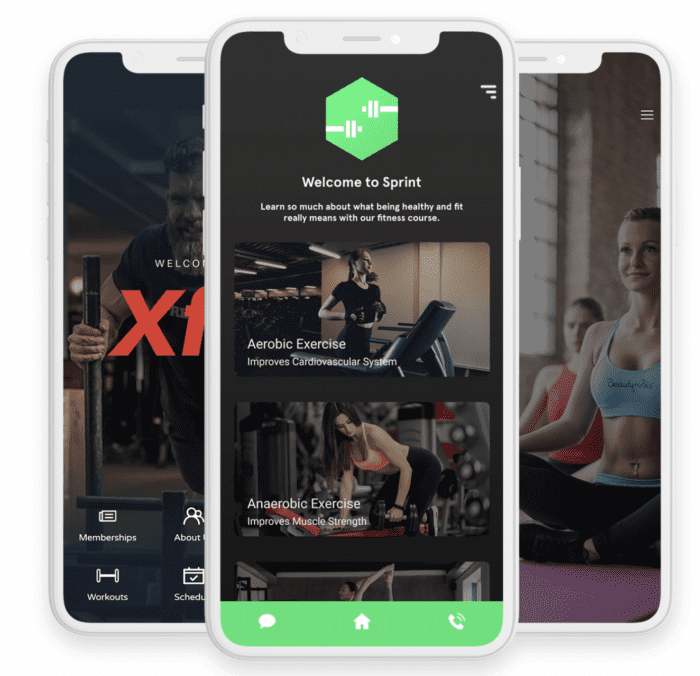
It’s a great way for anyone in the health and fitness industry to scale their business. Mobile apps can be used to share custom workout videos or meal plans. They’re also great for managing class schedules and letting people manage their memberships.
Personal trainers can earn recurring revenue on a subscription basis through virtual training. You can infinitely scale your client base by offering in-app training lessons without ever meeting them in person.
Learn more about Buildfire’s solutions for fitness and wellness apps here.
Home security app
Innovative app ideas are always in high demand.
Smart home technology paired with mobile apps is definitely something that users will be interested in.
You can create an app that lets people lock their doors, put their lights on timers, and monitor security cameras from anywhere. Apps can even notify homeowners and renters about motion sensors that were tripped on the property.
These apps can connect with local police, fire, and medical services for fast responses to an incident.
Virtual fashion assistant
This app allows users to have a personal stylist at their fingertips. Users can input their style preferences and budget, and the app suggests clothing and accessory options for them to purchase.
The app also offers features like personalized recommendations on what to wear based on the user’s current wardrobe.
Home maintenance app
This is a must-have app for homeowners and landlords looking to keep track of home maintenance tasks. Users can input the details of their home, including the age and type of appliances, and the app will suggest a personalized maintenance schedule.
Users can also access home maintenance resources and tips, and track their progress as they complete tasks.
Music streaming app
If you have a band or make music, you can make your own app to showcase your portfolio. This app allows users to stream their favorite music from a library of songs. Users can create personalized playlists, discover new artists, and listen to curated radio stations.
The app can also offer features like offline listening and the ability to create and share playlists with friends.
Digital receipt app
Here’s an innovative app idea that can benefit business users and general consumers alike.
Help your target audience get better control over their finances with digital receipts. They can simply take a picture of a physical receipt or download copies of digital receipts and store everything within the app.
It’s a great way for people to track spending, separate personal spending from business purchases, create an expense report, and stay organized if they’re audited.
Tourist helper app
You can create a completely new business from scratch by targeting tourism in different areas. The app can serve as a digital itinerary for travelers both domestically and overseas.
People can use it for something simple like finding a restaurant or museum on a weekend getaway. Or they can use it to map out a backpacking trip across Europe.
Pet sitting app
This app allows users to find and book trusted pet sitters in their area. Users can add their pet’s details, including breed, age, and any special needs, and the app will suggest compatible sitters.
Key features to include:
- User ratings and verified sitter reviews
- In-app messaging and scheduling
- Integrated secure payment processing
Virtual party planning app
You can create a mobile app for planning and hosting virtual parties, including birthdays, baby showers, and holiday gatherings. Users can invite guests, set a theme, and access a range of party resources, including games, activities, and recipes.
Access and add features like virtual backgrounds and the ability to record and share the event.
Disaster management app
Disasters often happen unexpectedly.
You can create a mobile app that helps people prepare for disasters, so they’re not scrambling when an unexpected event occurs.
This is definitely one of the more brilliant app ideas for commercial use. We’ve seen these types of apps built first-hand here at Buildfire. You can read our Disaster Hawk case study to get inspiration and see how one app was used to help small businesses prepare for emergencies in the workplace.
eBook reader app
This app allows users to access a library of ebooks and audiobooks from their smartphone or tablet. Users can purchase books or rent them for a limited time and can customize the font, size, and theme of the app to their preferences.
The app also offers features like bookmarking, highlighting, and note-taking to help users engage with the material.
Job search app
This intuitive mobile app makes it easy for people to find job opportunities in their field or location. Users can input their skills, experience, and desired salary, and the app suggests relevant job openings.
It should also include mobile resources like resume templates, interview tips, and salary negotiation guidance to help users land their dream job.
Social networking app
You don’t need to be the next Facebook or Instagram to create a social media app.
Instead, you can focus on a niche community or group to target a more specific audience. For example, maybe you want to create a social networking app that’s specifically for bird watchers. Or maybe you have an awesome app idea for gardening that you can turn into a social network.
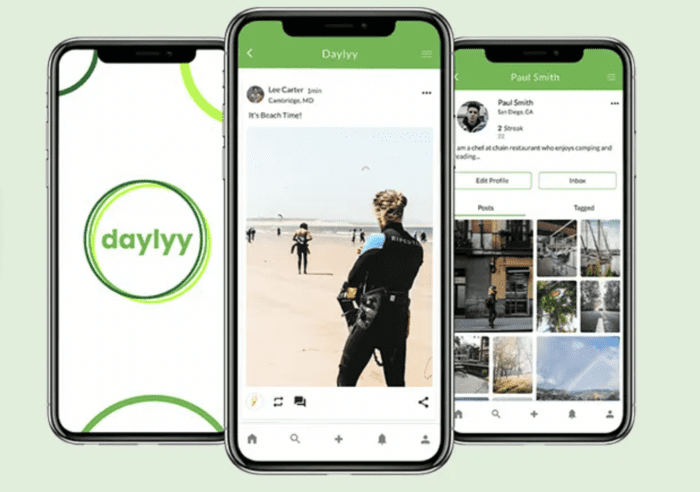
Check out this story of Daylyy—a new type of social media concept that was created with Buildfire.
Motivation app
Everyone needs a little motivation from time to time.
You can use an app to deliver daily words of inspiration or inspiration on-demand for your user base.
This is another example of an app that we’ve seen succeed in the past.
See how a solo entrepreneur used Buildfire to create PepTalks—a mobile app that reaches thousands of people around the world and earns recurring revenue by providing motivation.
Interior design app
This app is perfect for those looking to redecorate or redesign their home. It offers a range of interior design templates and tools, including a 3D design feature to visualize changes.
For instance, HomeDesignAI provides an advanced 3D visualization tool that allows you to see how different design elements will look in your space before making any changes.
Users can also access a library of design ideas and inspiration, and connect with professional designers for personalized advice.
It’s also worth noting that this made our list of the best business ideas for women entrepreneurs.
Virtual tour app
You can create an app that offers virtual tours of museums, landmarks, and other tourist attractions from the comfort of home. Users can access high-quality 360-degree imagery and detailed information about the sites they are visiting.
The app also offers features like guided tours and the ability to save and share favorite tours.
Anti smartphone addiction app
The average smartphone user checks their phone 150 times per day. 75% of people even admit to using their phones while driving. A whopping 47% of parents say their kids are addicted to their smartphones.
You can create an app that monitors smartphone activity, helping people track how much time they’re spending on their devices and preventing people from overusing them. This one is absolutely one of the best app ideas for 2026.
The app can be used to set time restrictions and send users alerts when they’ve used their phone too frequently or have the screen on for an extended period of time.
Mood monitoring app
Mental health is a priority for millions of people worldwide.
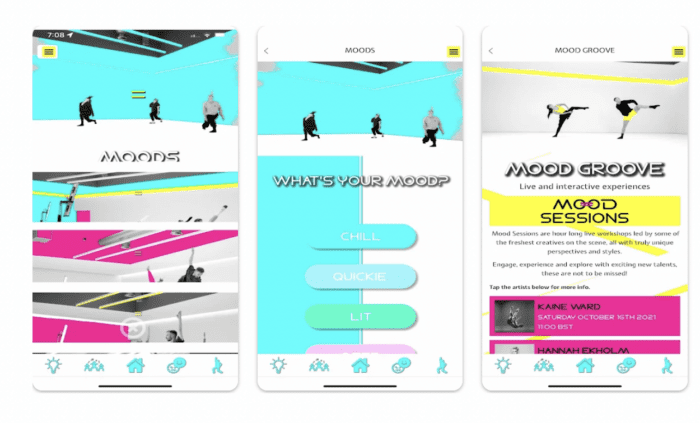
You can create a simple mood monitoring app for people to check in on themselves. They can record their feelings, take notes, and see how their mood progresses over the course of days, weeks, months, and even years.
This type of app can also offer tips, best practices, and methods for improving your mood. With a no code development platform, you can build and launch a mood monitoring app in weeks.
Virtual art gallery app
Provide mobile access to a range of virtual art exhibits and exhibitions from around the world. Users can browse artwork by artist, style, or location, and can save and share their favorites.
The app also offers features like guided tours and the ability to purchase artwork directly through the app.
Eco-friendly lifestyle app
This app helps users make more eco-friendly choices in their daily lives. It offers tips and resources on how to reduce waste, conserve energy, and live sustainably.
Users can also track their progress and set goals to help them stay on track.
Gift delivery app
There are countless occasions where giving gifts is appropriate.
From birthdays to holidays, Mother’s Day, engagements, weddings, graduations, special achievements—the list goes on and on. People even like to give “get well” gifts and send gifts randomly to family and friends.
But if you don’t live within a reasonable driving distance of the person you’re gifting, this can be a challenge. You have to rely on regular online shopping, which just isn’t quite the same as having a gift delivered in person.
A gift delivery app would operate similarly to a food delivery app. App users can simply select gifts from local stores and get them sent to the recipient in person. Regardless of each party’s location, a courier will hand a gift to the recipient.

Charity donation app
Collecting donations for a charity is easier if people can pay using their smartphones.
Most people aren’t carrying much cash with them anymore. Even fewer people are carrying checkbooks.
So charity collections outside of local grocery stores and events aren’t keeping up with modern technology trends.
But a charity donation app solves this problem. You can collect donations by letting people scan a QR code in person to give money. Apps can also facilitate recurring donations from your users—automatically.
Goal tracking app
People are 42% more likely to achieve their goals if they’re written down.
But what’s better than writing goals down? Using a mobile app to track and manage everything.
You can create an app that lets people track both short-term and long-term goals. They can add a goal in the app and monitor progress along the way. Each goal can even contain a checklist or milestone achievements that users can check off in real-time as they’re accomplished.
Target diverse goal categories such as:
- Fitness: Weight goals and workout streaks
- Personal: Habit building and hobby tracking
- Professional: Career milestones and networking targets
- Education: Course completion and skill acquisition
Meditation and mindfulness app
Offer guided meditation and mindfulness exercises to help users reduce stress and improve their mental health. Users can choose from a variety of themes and durations, and can track their progress over time.
You can add features like daily reminders and a journaling function to help users incorporate mindfulness into their daily routines.
Gardening app
This app is perfect for green thumbs or those looking to get into gardening. It offers tips and advice on how to care for a variety of plants, including information on watering, fertilizing, and pruning.
Users can also create a virtual garden and track the progress of their real-life plants, as well as access a library of plant-specific care guides.
Meal prep and cooking app
Calling all chefs! This is your chance to share your recipes with the world.
You can create videos and upload instructions for all of your recipes. Categorize your recipes into folders like breakfast, lunch, dinner, dessert, vegan, gluten-free, pescatarian, keto, and more.
Use this as an opportunity to sell meal plans or create a digital recipe book. You can sell recipes for a one-time fee or offer collections of recipes on-demand for a monthly subscription.
Pet care mobile apps
This is a must-have mobile app for pet owners. It offers tips on how to care for a variety of pets, including information on feeding, grooming, and training.
You can provide quick access to a library of pet-specific care guides and let users create a profile for their own pets, including information on their breed, age, and medical history.
Virtual event app
With the rise of remote work, virtual events have become more popular than ever. This app allows users to host and attend virtual events, including conferences, workshops, and networking events.
The app can display a calendar of upcoming events, event registration, and the ability to participate in live sessions and breakout rooms.
Tip calculator app
Create an app that lets users calculate tips automatically. People can scan a receipt, and the tip calculator can take care of the rest.
This is also great for situations when you’re dining with a large group of people, since everyone has their mobile phones with them when they’re out to eat.
The app can calculate what everyone owes based on what they ordered and automatically include the tip amount for each person or group at the table.
Final thoughts
Great mobile app ideas may seem hard to come by. But there are tons of trending app ideas that you can use to make money.
Use this guide to the best app ideas for 2026 as inspiration and motivation for the next great mobile app idea.
Once you’ve narrowed down an idea, you still need to validate it. Check out our guide on how to validate your app idea and turn it into a reality.
From there, you can follow our step-by-step tutorial on how to create an app.
Sign up for a demo to get started with Buildfire—the world’s most powerful app builder for iOS and Android.
A strong app idea solves a real problem for a clear group of users. Before you dive in, check that the audience is large enough, competitors aren’t already dominating the space, and the solution can be built with today’s tech. If the idea can earn revenue—through ads, subscriptions, or in-app purchases—and you can explain the benefit in one sentence, you’re on the right track.
1. Define the problem you’re solving. Every successful app solves a specific pain point. Ask yourself: who has this problem, how often do they experience it, and what do they currently do to work around it? If the answer is “nothing exists,” that’s a signal worth exploring.
2. Research the market. Search the App Store and Google Play for similar apps. Read user reviews — especially the one- and two-star ones. Complaints in reviews tell you exactly what users want that current solutions aren’t delivering. Use tools like Google Trends to check whether interest in your app category is growing or declining.
3. Talk to real potential users. Before writing a single line of code, have conversations with 10–20 people in your target audience. Ask about their habits, frustrations, and what they’d pay to solve the problem. This qualitative research will be more valuable than any survey.
4. Set a success benchmark. Define what validation looks like before you start. Is it 100 email sign-ups? 5 pre-orders? A specific number of interviews where the same pain point comes up? Having a clear threshold keeps you objective.
The goal isn’t a perfect product — it’s reducing risk. Most successful mobile app ideas to make money started with scrappy, low-cost validation before any real development began.
Not all app categories are created equal when it comes to revenue. If you’re looking for the most profitable app niches, here are the categories consistently at the top:
Health & Fitness is a booming category with strong subscription potential. Mental health app ideas — from meditation and mood tracking to therapy platforms — have seen explosive growth and command premium monthly fees. Users in this category are willing to pay for results.
On-Demand Services apps (think delivery, home services, and professional marketplaces) earn through commissions and service fees. Because they solve urgent, recurring problems, they enjoy high engagement and strong retention.
Education & E-Learning apps benefit from both B2C and B2B revenue streams. Subscription-based skill-building apps and corporate training platforms can generate reliable, recurring income.
Business & Productivity apps — especially those targeting specific industries — often command higher price points because they replace expensive legacy software. Internal employee communication apps, for example, deliver measurable ROI that justifies premium pricing.
The most profitable apps tend to share a few traits: they solve a recurring problem, they have a clear subscription or transaction-based revenue model, and they serve a niche audience willing to pay for a solution.
Building the app is only half the equation — monetization strategy is what turns a great idea into a real business. Here are the most effective models:
Subscriptions are the gold standard for sustainable app revenue. Offer users access to premium features or exclusive content for a recurring monthly or annual fee. This model works especially well for mental health app ideas, fitness platforms, and content apps because users see ongoing value in staying subscribed.
In-App Purchases (IAP) let you offer a free download with optional upgrades — extra features, virtual goods, or one-time unlocks. Gaming apps have mastered this, but it works across categories from productivity tools to marketplaces.
In-App Advertising can generate revenue based on impressions or clicks, though it typically requires high user volume to be meaningful. It works best as a secondary revenue stream alongside another model.
Sponsored Content & Brand Partnerships are underutilized but powerful for apps with engaged niche audiences. Relevant brands may pay for featured placement, co-branded content, or push notification access to your users.
The best app ideas to make money typically use a combination of these models rather than relying on a single revenue stream.
No — and this is one of the biggest misconceptions that stops people from building innovative app ideas in the first place.
A decade ago, turning a mobile app idea into a real product required a development team, months of work, and a six-figure budget. That’s no longer the case. No-code and low-code platforms have fundamentally changed what’s possible for non-technical founders, entrepreneurs, and business owners.
No-code app builders like BuildFire allow you to design, build, and launch a fully functional mobile app without writing a single line of code. You can add features through a plugin marketplace, customize your app’s design, and publish to both the App Store and Google Play — all from a visual interface.
What you do need isn’t a computer science degree — it’s clarity on the problem you’re solving, an understanding of your target user, and a willingness to iterate based on feedback. Those are business skills, not technical ones.
The bottom line: the barrier to building a mobile app has never been lower. What matters most is the quality of your idea and your commitment to validating and improving it — not your ability to write code.